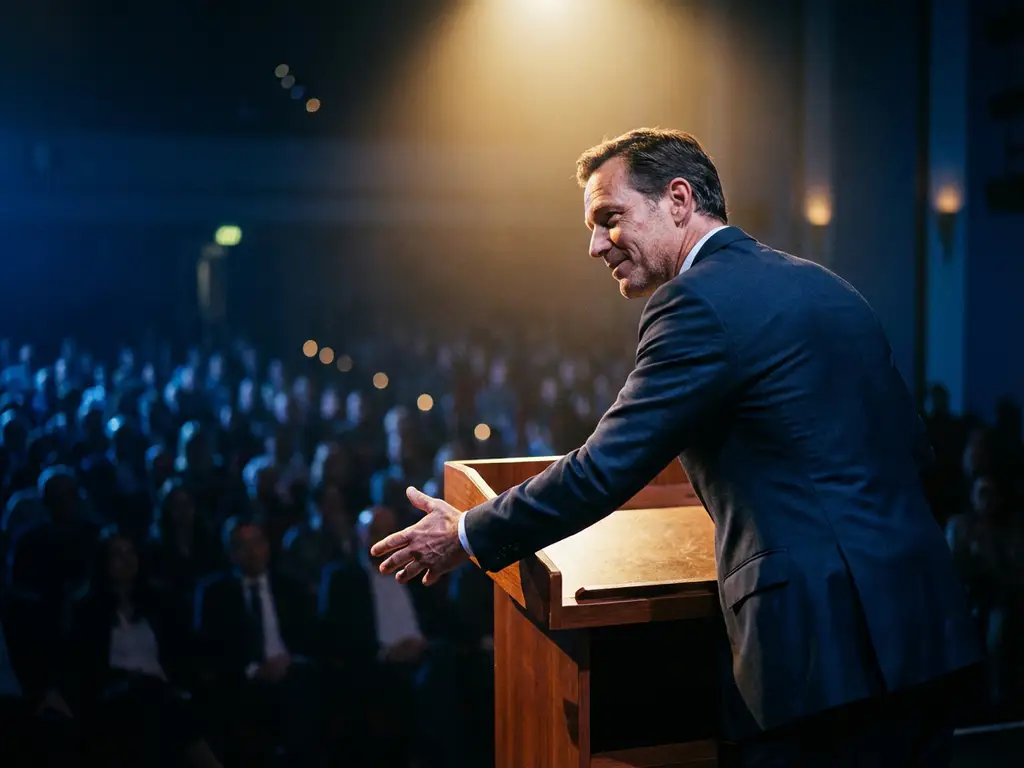
A skilled corporate event host can be the difference between an event that truly lands and one that leaves people checking their phones. Whether you’re planning a company-wide conference, a leadership summit, or a product launch, the person holding the microphone shapes the entire experience. Understanding how a professional host navigates a difficult or unresponsive audience gives you a clearer picture of what great event hosting looks like in practice.
Audience disengagement is more common than most organizers expect, and it rarely signals a failed event. It signals a moment that calls for skill, instinct, and preparation. This article walks through the core questions surrounding audience management, from reading the room to preventing disengagement before it even begins.
What does a corporate event host actually do?
A corporate event host manages the energy, flow, and audience experience throughout an event. Beyond introducing speakers and keeping to the schedule, a professional host sets the tone, bridges transitions, responds to the crowd’s mood in real time, and ensures every participant feels included and engaged from the opening moment to the closing remarks.
Think of the host as the connective tissue of the event. They hold the program together when timing slips, warm up a cold room before a keynote, and bring energy back after a dense presentation. A great host also acts as a communication bridge, translating complex or dry content into something the audience can connect with emotionally. This is especially important in corporate settings, where messages need to land clearly and be remembered long after the event ends.
Why do corporate audiences become unresponsive?
Corporate audiences become unresponsive primarily due to information overload, passive formats, and a lack of personal relevance. When attendees sit through back-to-back presentations with no interaction, their attention naturally fades. Other common causes include overly formal atmospheres that discourage participation, content that feels irrelevant to their day-to-day work, and simple physical fatigue from long sessions.
There is also a cultural dimension to consider. In many corporate environments, employees are conditioned to be polite and passive, especially in front of senior leadership. This can create a room that looks attentive but is actually disengaged. A professional event host recognizes the difference between genuine engagement and performative compliance and adjusts accordingly.
How does a professional host read the room in real time?
A professional host reads the room by continuously scanning for physical and behavioral cues: eye contact, body language, side conversations, laughter timing, and the energy level of applause. These signals tell an experienced host whether the audience is with them, drifting, or actively disengaged, allowing real-time adjustments before the mood becomes a problem.
Experienced hosts develop a kind of situational awareness that goes beyond simply watching the crowd. They listen to the quality of silence, noting whether it reflects focused attention or disconnection. They notice when laughter feels forced versus genuine. They pay attention to the back rows, which tend to disengage first. This constant reading allows them to pace the program dynamically rather than following a rigid script regardless of what the room is telling them.
What techniques do event hosts use to re-engage a difficult crowd?
Professional event hosts use a range of techniques to re-engage a difficult or unresponsive audience, including direct audience interaction, humor, physical movement, unexpected format shifts, and rhetorical questions that invite mental participation. The goal is to break the passive-observer pattern and make the audience feel like active participants rather than spectators.
Interaction and humor
Asking the audience a direct question, even a simple show of hands, immediately shifts the dynamic. It signals that their input matters and breaks the one-way communication pattern. Business-friendly humor is another powerful tool. A well-placed, inclusive joke or a light observation about the shared experience in the room lowers defenses and creates a moment of genuine connection. Crucially, this humor must feel natural rather than performed, which is why professional hosts invest heavily in reading the specific audience before reaching for a punchline.
Format shifts and physical resets
When an audience has been sitting passively for too long, a format shift can reset their attention entirely. This might mean inviting someone from the audience to the stage, breaking into a brief paired discussion exercise, or simply calling for a physical stretch. These micro-interruptions are not distractions from the program; they are strategic resets that help the audience return to the content with renewed focus.
When should a host intervene versus let the moment pass?
A host should intervene when disengagement is spreading across the room or when the energy risk threatens the impact of what comes next in the program. Minor dips in attention during a long presentation are normal and do not always require action. However, when body language becomes uniformly closed, side conversations multiply, or applause becomes noticeably thin, intervention is the right call.
The judgment call here is subtle. Intervening too aggressively can embarrass the current speaker or make the audience feel managed, which backfires. The best approach is often a light touch: a brief, warm comment that acknowledges the moment without calling attention to the disengagement itself. Experienced hosts develop an instinct for timing, knowing when a small adjustment will prevent a larger problem and when patience is the more effective tool.
How do you prevent audience disengagement before it starts?
Preventing audience disengagement starts with smart program design: varied formats, appropriate session lengths, interactive moments built into the schedule, and a host who is thoroughly briefed on the audience, the content, and the event’s goals. A warm, energetic opening that establishes psychological safety and sets clear expectations for participation goes a long way toward creating an engaged room from the start.
Practical prevention strategies include:
- Keeping individual presentations to 20 minutes or less where possible
- Building in structured interaction points every 15 to 20 minutes
- Briefing the host on audience demographics, cultural context, and any sensitivities
- Opening with something unexpected or energizing rather than logistics and housekeeping
- Designing content that connects directly to the audience’s real challenges and interests
The host’s preparation is just as important as the program design itself. A professional host who has been properly briefed can personalize their approach, reference relevant details, and make the audience feel seen. That sense of being understood is one of the most powerful drivers of genuine engagement in any corporate setting.
How Boom For Business Helps You Handle Every Audience
We know that no two corporate audiences are the same, and no two events present identical challenges. That is why our approach to event hosting goes far beyond simply filling time between speakers. At Boom For Business, we bring over 30 years of expertise in improvisation, storytelling, and live performance to every event we host, giving us the tools to read, respond to, and re-energize any room in real time.
Our professional hosts are trained in the same techniques that have made Boom Chicago one of the world’s most respected comedy and performance institutions. We apply those skills directly to the corporate context, ensuring your event feels dynamic, inclusive, and memorable. Here’s what working with us looks like in practice:
- Thorough pre-event briefing so our hosts understand your audience, your goals, and your content before stepping on stage
- Real-time audience management using humor, interaction, and format shifts to keep energy high throughout the program
- Custom-built hosting formats designed around your specific event structure and communication objectives
- Masterclass workshops that help your internal teams build the same communication and engagement skills our hosts use, available through our workshops program
- Team-building experiences that complement your event and strengthen the connections your audience brings into the room, explored further through our team-building offerings
- A positive, people-first approach that ensures every participant leaves feeling energized rather than drained, aligned with our work on positive culture
If you want your next corporate event to be one that people actually remember and talk about, we’d love to help you make that happen. Reach out to our team, and let us show you what a truly engaged audience looks like.
FAQ broken data: JSON error 4