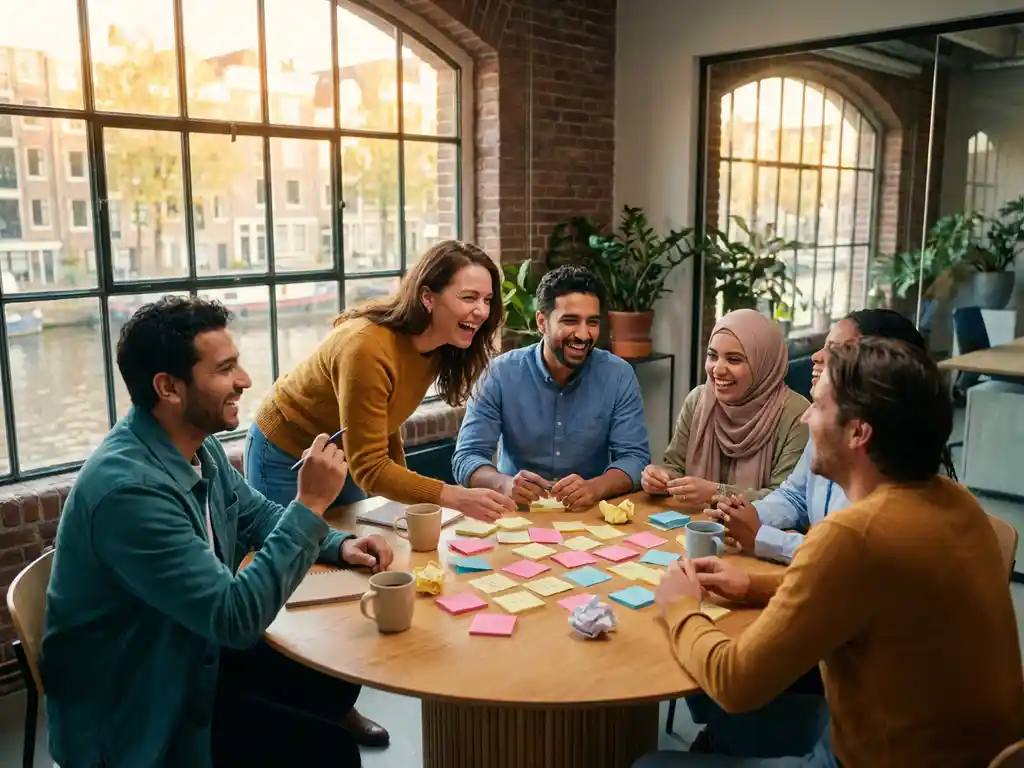
Team dynamics shift gradually. What starts as a minor communication hiccup or a slightly awkward all-hands meeting can quietly snowball into disengagement, silos, and a team that functions on autopilot rather than through genuine connection. The tricky part is that these warning signs rarely announce themselves loudly. They tend to creep in slowly, until one day you realize the energy in the room has been missing for a while.
If you are responsible for your team’s development, culture, or events, knowing when to invest in a professional team-building workshop can make all the difference. Below are 11 signs that the time has come to stop waiting and start acting.
When team building stops being optional
Many organizations treat team building as a nice-to-have, something reserved for end-of-year parties or when budgets allow. But team building is most powerful when it is used proactively, not as a last resort. When communication breaks down, collaboration stalls, or morale takes a dip, a well-designed corporate team-building experience can reset the tone and rebuild the foundation your team needs to thrive.
The following signs are your cue to move team building from the back burner to the top of your priority list.
1: Your team meetings feel like a chore
When people show up to meetings disengaged, with cameras off, or counting down the minutes, it is a signal that something deeper is off. Meetings should be a space for energy, ideas, and connection. When they become a box to tick, it often reflects a broader lack of engagement within the team.
A team-building workshop focused on communication and collaboration can help people reconnect with why their contributions matter and make interactions feel less transactional.
2: Departments rarely collaborate on projects
Siloed thinking is one of the most common challenges in medium to large organizations. When teams operate in isolation, innovation slows, misunderstandings multiply, and company-wide goals become harder to achieve. If cross-departmental projects feel like pulling teeth, that is a clear sign your teams need structured opportunities to build trust and a shared language.
Team-building activities that mix people across departments can break down invisible walls and create the kind of working relationships that make future collaboration feel natural rather than forced.
3: New hires struggle to feel part of the team
Onboarding a new employee is about more than paperwork and system access. When new hires feel like outsiders weeks or months into their role, it affects their confidence, productivity, and ultimately their decision to stay. Integration does not happen by accident.
Purposeful team-building workshops create shared experiences that help new team members find their footing, understand the culture, and build genuine connections with their colleagues from day one.
4: Conflict goes unresolved for too long
Unresolved tension in a team does not disappear on its own. It festers. Whether it is a disagreement between colleagues, a clash of working styles, or lingering frustration from a past project, unaddressed conflict erodes trust and makes honest communication nearly impossible.
Professional team-building programs create a safe, structured environment where people can practice listening, perspective-taking, and constructive dialogue—skills that directly reduce the likelihood of conflict escalating in the first place.
5: Leadership changes have left the team unsettled
A new manager, a restructuring, or a shift in company direction can leave teams feeling uncertain about their place and purpose. Even positive changes can create anxiety if they are not accompanied by strong communication and team cohesion.
Investing in a team-building workshop during periods of transition helps teams adapt, align around a shared vision, and build confidence in the direction they are heading together.
6: Feedback culture is virtually nonexistent
When people do not feel safe giving or receiving feedback, growth stalls. A team without a healthy feedback culture tends to repeat the same mistakes, avoid difficult conversations, and miss opportunities to improve. If honest dialogue feels rare or uncomfortable on your team, this is a sign worth taking seriously.
Workshops that use improvisation and interactive exercises can make feedback feel less threatening and more natural, helping teams build the psychological safety needed for open, honest communication.
7: Remote or hybrid work has created distance
Remote and hybrid work models have brought flexibility, but they have also introduced new challenges around connection and belonging. When team members rarely share physical space, informal relationship-building moments disappear, and a sense of distance can settle in even among high-performing teams.
A well-designed team-building experience, whether in person or designed for hybrid groups, can recreate the spontaneous human connection that remote work often misses and remind people that they are part of something bigger than their home office.
8: Productivity is dropping without clear cause
When output slips but there is no obvious operational explanation, the cause is often relational. Low morale, unclear roles, lack of motivation, or quiet disengagement can all quietly drag down productivity without showing up in any single metric.
A team-building workshop gives leaders a chance to step back from the day-to-day and address the human dynamics underneath the numbers, often uncovering issues that no spreadsheet could identify.
9: Company values feel like mere wall decor
Most organizations have values written somewhere—on a website, a poster in the kitchen, a slide in the onboarding deck. But when those values are not lived and felt in daily interactions, they become meaningless noise. If your team cannot connect their work to the company’s purpose, engagement and direction will both suffer.
Team-building activities can breathe life into company values by embedding them in shared experiences, making them something people feel rather than simply read.
10: A big event or milestone is coming up
Anniversaries, product launches, strategic shifts, and company-wide gatherings are natural moments to invest in team building. These occasions carry energy and attention, making them ideal for reinforcing culture, celebrating progress, and setting the tone for what comes next.
Pairing a milestone moment with a professional team-building workshop turns a calendar event into a genuine experience that people remember and carry with them long after the day is done.
11: Your last team event was years ago
If you have to think hard to remember the last time your team did something meaningful together, that gap is already affecting your culture. Teams need regular investment in their relationships, not just when something goes wrong. Waiting for a crisis to justify team building means missing all the preventive value it offers.
Regular team-building workshops keep communication sharp, trust intact, and energy levels high, making them one of the most cost-effective investments in employee engagement you can make.
Choosing the right team-building partner
Recognizing the signs is one thing. Knowing where to turn is another. Not all team-building experiences are created equal. The best ones are designed with your specific team in mind, led by skilled facilitators who understand both corporate dynamics and the power of genuine human connection.
That is where we come in. At Boom For Business, we bring over 30 years of expertise in improvisation, storytelling, and professional facilitation to every program we deliver. Rooted in the energy of Boom Chicago, we design experiences that are genuinely fun, professionally grounded, and built to create lasting impact.
Here is what working with us looks like:
- Our Masterclass Workshops develop communication, storytelling, and collaboration skills using proven improvisation techniques that participants can apply immediately in their professional roles.
- Our team-building programs are fully customized to your team’s size, challenges, and goals, whether you need to break down silos, onboard new hires, or reignite energy after a period of change.
- Our approach to positive culture helps organizations embed values, improve internal communication, and create workplaces where people genuinely want to show up.
- Every session is led by experienced facilitators who know how to read a room, adapt in real time, and make even the most skeptical participant feel engaged.
- We work with teams across Amsterdam, the Netherlands, and internationally, bringing the same energy and professionalism to every setting.
If you recognized more than one sign on this list, your team is ready for something better. Reach out to us today, and let us design a professional team-building workshop that turns those warning signs into genuine momentum.
Frequently Asked Questions
How do I convince leadership to approve budget for a professional team-building workshop?
Frame the investment in terms of business impact rather than morale alone. Present data points such as employee turnover costs, productivity losses tied to disengagement, or the cost of unresolved conflict — then position the workshop as a preventive measure rather than a perk. Sharing case studies or testimonials from similar organizations, and proposing a pilot session for one department first, can also help skeptical stakeholders see the tangible ROI before committing to a larger program.
How often should a team invest in team-building workshops to see lasting results?
A single workshop can spark meaningful change, but lasting cultural shifts require consistent reinforcement. Most organizations benefit from at least two to three structured team-building experiences per year, supplemented by smaller, informal touchpoints in between. Think of it like physical fitness — one session gets you started, but a regular cadence is what builds and maintains the muscle.
What if some team members are resistant or skeptical about participating in team-building activities?
Skepticism is completely normal, especially among teams that have had underwhelming team-building experiences in the past. The key is choosing a program that feels professionally relevant rather than forced or gimmicky, and communicating clearly upfront why the session is happening and what participants will gain. Skilled facilitators are trained to meet resistance with curiosity and create an environment where even the most reluctant participants find themselves genuinely engaged.
Can team-building workshops be effective for remote or hybrid teams, or do they only work in person?
Team-building experiences can absolutely be designed to work for remote and hybrid teams — the format just needs to be intentionally adapted. Virtual sessions that use breakout activities, collaborative challenges, and live facilitation can create genuine connection even across screens. That said, whenever an in-person gathering is possible, the depth of relationship-building tends to be stronger, so a blended approach — combining virtual touchpoints with occasional in-person events — often delivers the best of both worlds.
How do I choose the right type of workshop for the specific challenges my team is facing?
Start by clearly identifying the core issue: is it a communication breakdown, a lack of cross-departmental trust, low morale after a leadership change, or something else? A reputable team-building provider will offer a discovery or intake conversation to understand your team's unique context before recommending a program. Avoid one-size-fits-all packages — the most effective workshops are those designed around your team's specific dynamics, size, and goals.
How soon after a workshop can we expect to see a difference in team behavior?
Many teams notice an immediate shift in energy, openness, and willingness to communicate right after a well-facilitated session. However, behavioral change that sticks requires follow-through — managers reinforcing new habits, teams applying workshop skills in real meetings, and leadership modeling the behaviors introduced during the session. Building in a brief debrief or follow-up check-in a few weeks after the workshop can significantly increase the long-term impact.
What is the difference between a team-building workshop and a regular team event like a company dinner or outing?
Social events are valuable for morale, but they rely on organic interaction and do not guarantee that meaningful connection or skill development will happen. A professional team-building workshop is purposefully designed with specific outcomes in mind — whether that is improving communication, rebuilding trust, or aligning a team around shared values — and is guided by trained facilitators who shape the experience with intention. The best programs manage to feel fun and engaging while delivering measurable professional value that a dinner simply cannot replicate.
Related Articles
- 9 corporate events that always benefit from professional event moderation
- When should you implement team building programs?
- How do team building activities improve interdepartmental communication?
- 9 reasons your next conference needs a professional corporate event host
- 7 ways to help your team speak with authority at work from day one