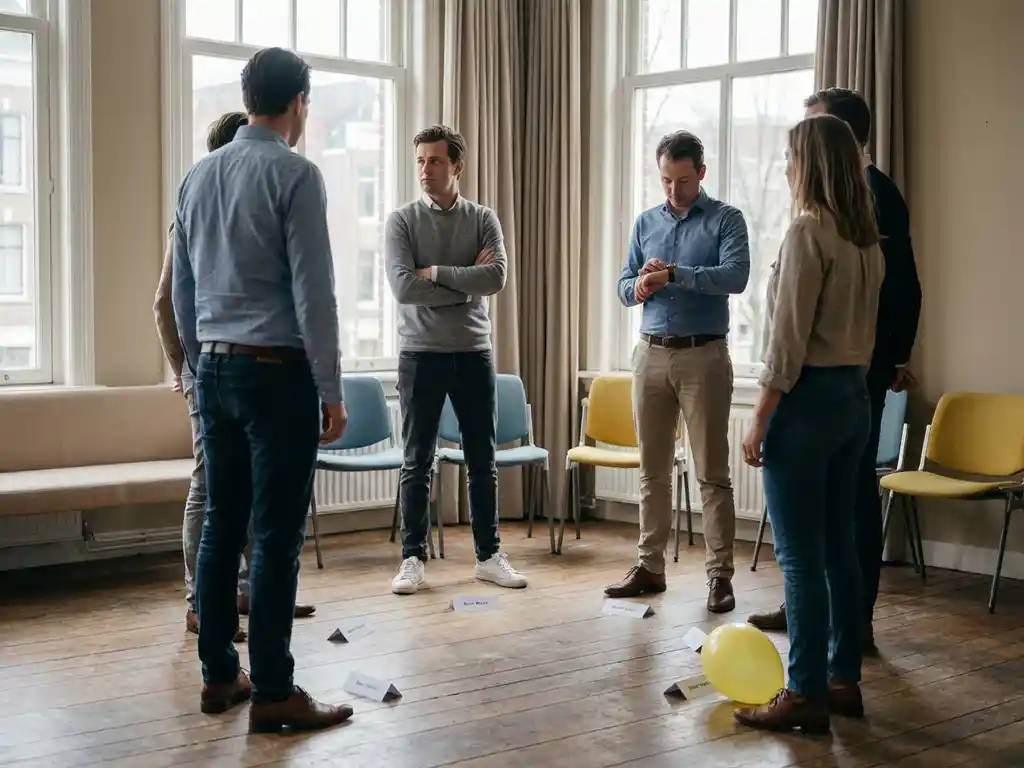
Team-building activities are supposed to bring people together, spark energy, and strengthen collaboration. Yet many companies invest time and budget in events that leave employees rolling their eyes or checking their phones. The difference between a team-building experience that genuinely works and one that quietly fails often comes down to a handful of avoidable mistakes. Understanding these common team-building mistakes is the first step toward planning something that actually delivers results.
Whether you are organizing a one-off workshop or a full-day corporate team-building program, the pitfalls tend to follow a familiar pattern. Here is an honest look at what goes wrong and how to do better.
What makes team-building activities fail?
Team-building activities fail when they lack relevance, a clear purpose, or genuine participation. The most common reasons include poor planning, misalignment with team needs, activities that feel forced, and a lack of follow-up after the event. When any of these elements are missing, even a well-intentioned program can leave employees feeling more disconnected than before.
The core issue is often that team building is treated as a box to tick rather than a genuine investment in people. When activities feel disconnected from real working life, employees disengage quickly. A program that does not account for diverse personalities, communication styles, or team dynamics will struggle to create the shared experience it promises. The result is a wasted afternoon and a lingering sense that leadership does not quite understand what the team actually needs.
Why do companies choose the wrong team-building activities?
Companies choose the wrong team-building activities when they prioritize novelty over relevance, or when the decision is made without consulting the team. Common mistakes include copying what another company did, defaulting to generic options, or choosing activities based on budget alone rather than on what will genuinely engage the specific group of people involved.
Every team is different. A high-energy outdoor challenge might energize one group and alienate another. Creative workshops that feel natural for a marketing team might feel uncomfortable for a more introverted technical department. The best corporate team-building activities start with a real understanding of the team’s culture, challenges, and communication style. Skipping this diagnostic step is one of the most frequent and costly team-building mistakes organizations make.
What happens when team building lacks a clear goal?
When team building lacks a clear goal, the activity becomes entertainment without impact. Teams may enjoy the experience in the moment, but nothing changes back at the office. Without a defined outcome, there is no way to design the right activity, brief participants meaningfully, or evaluate whether the investment was worthwhile.
A clear goal transforms team building from a social event into a purposeful experience. Are you trying to improve cross-departmental communication? Build trust after a period of organizational change? Help a newly merged team find common ground? Each of these objectives calls for a different approach. When the goal is vague, the activity is vague too, and employees sense it immediately. Strong team-building planning always starts with a specific, honest answer to the question: What do we actually want to be different after this?
How does poor timing and planning hurt team-building results?
Poor timing and planning undermine team-building results by reducing engagement, creating logistical stress, and signaling to employees that the event is an afterthought. Scheduling activities during high-pressure project periods, at the end of a long day, or without adequate lead time are all mistakes that compromise the experience before it even begins.
Timing matters more than most organizers realize. When employees arrive at a team-building activity already exhausted or anxious about unfinished work, they cannot fully participate. Likewise, springing an activity on people with little notice sends the message that their time and preferences are not being considered. Good team-building planning treats the logistics with the same care as the content itself. This means choosing a moment when the team can genuinely be present, communicating the purpose in advance, and ensuring the format respects people’s time and energy levels.
Should team-building activities always be fun?
Team-building activities do not always need to be purely fun, but they do need to be engaging and psychologically safe. The most effective activities balance enjoyment with genuine learning or connection. Forced fun, where participation feels mandatory and the atmosphere feels artificial, is one of the most common team-building mistakes and can actively damage trust and morale.
The goal is not to manufacture laughter but to create conditions where people feel comfortable enough to be themselves. Activities that incorporate humor, creativity, and interaction tend to work well because they lower defenses and open people up to real conversation and collaboration. However, the fun element should serve the purpose, not replace it. An activity that is entertaining but leaves no lasting impression on how people work together has only done half its job. The sweet spot is an experience that people genuinely enjoy and that also shifts something meaningful in how the team operates.
How can companies measure whether team building actually worked?
Companies can measure whether team building worked by defining success criteria before the event, gathering feedback immediately afterward, and tracking behavioral changes over the following weeks. Measurement does not need to be complex, but it does need to be intentional. Without any evaluation, it is impossible to know whether the investment delivered real value or simply passed the time.
Simple approaches include short post-event surveys asking participants what they learned, what changed, and how they plan to apply it. More meaningful measurement looks at whether communication patterns, collaboration, or employee engagement shift in the weeks following the activity. Connecting team-building outcomes to existing employee engagement metrics or pulse surveys gives organizations a clearer picture of long-term impact. The key principle is that measurement starts before the event, not after, which is why defining a clear goal from the outset is so essential to the whole process.
How Boom For Business Helps You Avoid These Team-Building Mistakes
We understand that great team building is not about filling a calendar slot. It is about creating an experience that genuinely moves people, builds real connections, and delivers lasting impact. At Boom For Business, we bring over 30 years of expertise in improvisation, storytelling, and business-friendly humor to every program we design, helping organizations avoid the most common team-building mistakes from the very start.
Here is what working with us looks like in practice:
- We start with your goals. Every program begins with a real conversation about what you want to achieve, whether that is improving cross-team communication, navigating change, or simply rebuilding energy and connection after a difficult period.
- We tailor the experience to your team. No two groups are the same, and we design activities that fit your team’s culture, size, and communication style rather than offering a one-size-fits-all package.
- We make engagement genuine, not forced. Our programs use humor and improvisation as tools for real connection, creating an atmosphere where people want to participate rather than feeling pressured to perform.
- We help you measure impact. We work with you to define what success looks like and provide frameworks for evaluating whether the experience delivered meaningful change.
Our Masterclass Workshops are particularly effective for teams looking to strengthen communication, storytelling, and collaboration through interactive, skill-building experiences. If you are ready to plan a corporate team building program that actually works, or if you want to explore how we can help you build a positive team culture that lasts beyond a single event, we would love to talk. Visit Boom For Business and let us help you create something your team will genuinely remember.
Frequently Asked Questions
How far in advance should we start planning a team-building activity?
Ideally, planning should begin at least four to six weeks before the event. This gives you enough time to consult with team members, define clear goals, book a facilitator or venue, and communicate the purpose to participants in advance. Rushing the planning process is one of the most common reasons team-building events underdeliver, as it signals to employees that the event is an afterthought rather than a genuine investment in them.
What is the ideal group size for a team-building activity to be effective?
Most team-building activities work best with groups of 8 to 30 people, as this range allows for meaningful interaction without losing the personal dynamic. For larger organizations, breaking into smaller sub-groups during activities tends to produce better results than trying to run a single experience for 100+ people at once. The key is ensuring every participant has enough space to contribute and connect, rather than becoming a passive observer.
How do we handle employees who are resistant or disengaged during team-building activities?
Resistance is often a symptom of past experiences where team building felt forced, irrelevant, or a waste of time. The best way to address it is proactively: communicate the purpose of the activity clearly beforehand, involve skeptical team members in the planning process if possible, and choose activities that do not require performative enthusiasm to be valuable. A psychologically safe environment where participation feels genuinely optional — rather than mandated — tends to bring even reluctant participants around naturally.
Can team-building activities work for remote or hybrid teams, or are they only effective in person?
Team building absolutely works for remote and hybrid teams, but it requires a different design approach than in-person events. Virtual activities need shorter time blocks, stronger facilitation, and formats that account for screen fatigue and the absence of natural social cues. The most effective remote team-building experiences prioritize real conversation and collaboration over passive entertainment, and they are designed specifically for the online format rather than simply being in-person activities moved onto a video call.
How often should a company run team-building activities to see lasting results?
A single annual event is rarely enough to create lasting behavioral change — think of it as one strong session in a gym versus a consistent training routine. Organizations that see the most impact treat team building as an ongoing practice, weaving smaller touchpoints, workshops, or skill-building sessions throughout the year rather than relying on one big event to do all the work. Even quarterly check-ins or short monthly activities can compound significantly over time in terms of trust, communication, and team cohesion.
What are the biggest mistakes to avoid when choosing an external team-building facilitator?
The most common mistakes include choosing a facilitator based on price alone, failing to check whether their approach aligns with your team's culture, and not asking for a clear explanation of how their program connects to your specific goals. A good facilitator will ask you as many questions as you ask them — they should want to understand your team's dynamics, challenges, and desired outcomes before proposing a solution. Be cautious of providers who lead with a fixed catalogue of activities rather than starting with a conversation about what you actually need.
How do we maintain the momentum and connection built during a team-building event once everyone is back at work?
Post-event follow-through is where most organizations drop the ball, and it is the single biggest factor in whether team building creates lasting change or fades within a week. Practical steps include scheduling a short debrief meeting within a few days of the event, identifying one or two specific behaviors or communication habits the team agreed to practice, and revisiting those commitments in regular team check-ins. Connecting the experience to real work challenges — rather than treating it as a standalone social event — is what turns a memorable day into a meaningful shift in how the team operates.
Related Articles
- 7 ways event moderation improves how your company is perceived by attendees
- 11 ways a corporate event host adds value beyond opening and closing the program
- What are team building solutions for improving internal communications?
- What are the most effective indoor team building activities?
- What are team building solutions for communication overload?