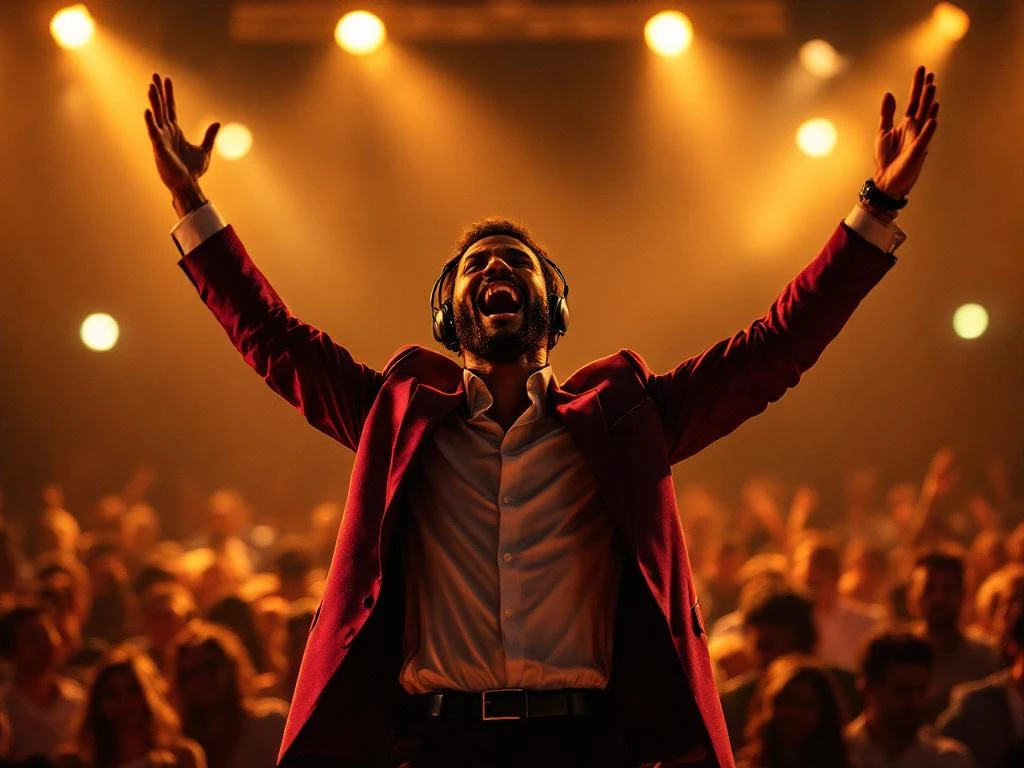
Professional event hosts maintain energy through a combination of interactive techniques, audience engagement strategies, and real-time adaptability. The most effective corporate event hosts use proven methods including storytelling, humor, audience participation, and energy-building exercises to keep attendees engaged throughout lengthy corporate events. Success depends on reading the room, adapting presentation style, and having backup strategies ready when energy naturally dips during extended sessions.
What specific techniques do professional event hosts use to keep audiences engaged?
Professional event hosts rely on interactive activities and audience participation strategies to maintain engagement throughout corporate events. These techniques include live polling, Q&A sessions, small group discussions, and hands-on exercises that get attendees actively involved rather than passively listening.
Storytelling forms the backbone of effective event moderation. A skilled corporate event host weaves relevant anecdotes and case studies into presentations, making abstract concepts concrete and memorable. They use personal experiences and relatable scenarios that resonate with the audience’s professional challenges.
Energy-building exercises serve as strategic reset points during longer sessions. These might include brief standing stretches, partner introductions, or quick brainstorming activities that re-energize participants. The key is timing these interventions before energy naturally wanes rather than waiting for obvious signs of disengagement.
Effective event presenters also employ the “chunk and check” method, breaking content into digestible segments followed by engagement checkpoints. This prevents information overload while ensuring audience comprehension and involvement throughout the presentation.
How do event hosts read the room and adapt their energy levels?
Experienced event hosts develop keen observation skills to assess audience mood and energy levels in real time. They watch for visual cues like body language, facial expressions, device usage, and general attention levels to gauge engagement and adjust their approach accordingly.
Professional event moderation involves matching the audience’s energy while gradually elevating it. If attendees appear tired after lunch, a skilled event host might start with lower energy and build momentum gradually rather than jumping straight into high-energy content that could feel jarring.
Successful hosts create feedback loops through strategic questions and audience interaction. They use techniques like “temperature checks,” asking for shows of hands or quick verbal responses to gauge understanding and engagement levels throughout the session.
Adaptation strategies include varying vocal pace and volume, adjusting movement around the stage or room, and modifying content delivery style. An experienced corporate event host might switch from a formal presentation to a conversational discussion format when sensing audience fatigue or disengagement.
What role does humor play in maintaining event energy?
Appropriate humor serves as a powerful tool for creating connection and sustaining audience interest during corporate events. Professional event hosts use business-friendly comedy to lighten the mood, break tension, and make content more memorable without crossing professional boundaries or alienating participants.
Timing considerations are crucial when incorporating humor into event hosting. The most effective moments include session openings to establish rapport, transitions between heavy content sections, and recovery points when energy naturally dips. Skilled event presenters avoid humor during serious discussions or sensitive topics.
Cultural sensitivity remains paramount in corporate settings with diverse audiences. Professional hosts rely on universal, workplace-appropriate humor such as gentle observations about common business experiences, technology challenges, or industry quirks that resonate across cultural boundaries.
The key to successful humor in event moderation lies in self-deprecating jokes and situational comedy rather than targeting individuals or groups. This approach creates an inclusive atmosphere where everyone feels comfortable while maintaining the professional tone essential for corporate gatherings.
How do hosts handle energy dips during long corporate events?
Professional event hosts recognize energy dips through audience behavior changes such as increased phone checking, side conversations, restlessness, or decreased participation in interactive elements. Early recognition allows for proactive intervention before complete disengagement occurs.
Strategic break timing proves essential for maintaining engagement during extended sessions. Rather than following rigid schedules, experienced hosts call breaks when they sense audience fatigue, typically every 60–90 minutes, and use energizing activities immediately following breaks to rebuild momentum.
Format changes provide effective reset opportunities during lengthy corporate events. An event host might shift from presentation mode to an interactive workshop format, introduce breakout discussions, or incorporate movement-based activities that physically re-energize participants.
Recovery techniques include acknowledging the energy shift directly, using humor to address the situation, introducing surprise elements or guest speakers, and employing “pattern interrupts” such as changing lighting, music, or room configuration to create renewed focus and attention.
What preparation techniques help hosts maintain consistent energy?
Professional event hosts invest significant effort in physical and mental preparation before corporate events. This includes adequate sleep, proper nutrition, vocal warm-ups, and physical exercises to ensure they can maintain high energy levels throughout demanding hosting responsibilities.
Content planning involves creating detailed run-of-show documents with built-in flexibility points, backup activities for various scenarios, and energy management strategies mapped to different session lengths. Experienced hosts prepare more content than needed, allowing them to adapt based on audience response and timing requirements.
Pre-event routines help hosts achieve optimal performance states. These might include meditation, visualization exercises, reviewing key audience information, testing technical equipment, and conducting sound checks to eliminate potential stress factors during the actual event.
Energy management strategies involve pacing throughout the event day, staying hydrated, taking strategic breaks when possible, and using positive self-talk and breathing techniques to maintain enthusiasm and focus during challenging moments or extended hosting periods.
How Boom For Business helps with event hosting energy
Our professional event hosting services combine over 30 years of comedy theatre expertise with corporate event management experience to deliver consistently high-energy, engaging experiences for international businesses.
Our approach to maintaining event energy includes:
- Comedy theatre-trained hosts who excel at reading audiences and adapting in real time
- Interactive presentation techniques that keep attendees engaged throughout lengthy corporate sessions
- Business-friendly humor that creates connection while maintaining professional standards
- Seamless event flow management for conferences, award ceremonies, panels, and hybrid events
- Customized energy-building activities tailored to your specific audience and objectives
Whether you’re planning an international conference, corporate celebration, or strategic business gathering, our experienced hosts ensure your message lands with maximum impact while creating memorable experiences that truly resonate with attendees.
Ready to energize your next corporate event? Contact us today to discover how our professional event hosting services can transform your gathering into an engaging, unforgettable experience that achieves your business objectives.
Frequently Asked Questions
How far in advance should I book a professional event host to ensure they can properly prepare for my corporate event?
For optimal preparation and availability, book your professional event host 4-6 weeks in advance for standard corporate events, or 8-12 weeks for large conferences or events requiring specialized content development. This timeline allows hosts to research your audience, customize their approach, and develop backup strategies tailored to your specific event goals and company culture.
What should I do if my event runs over schedule and the host needs to maintain energy while cutting content?
Communicate immediately with your host about timing constraints so they can prioritize essential content and smoothly eliminate less critical segments. Professional hosts excel at condensing material while maintaining engagement through accelerated interactive elements and strategic content pivots that preserve key messages without sacrificing audience energy.
How do I choose between different hosting styles for my specific corporate audience and event type?
Consider your audience's industry culture, seniority level, and event objectives when selecting a hosting style. Conservative industries typically benefit from more formal, content-focused approaches, while creative sectors often respond well to high-energy, interactive styles. Discuss your company culture and attendee demographics with potential hosts to ensure proper style alignment.
What backup plans should be in place if technical difficulties disrupt the event flow and energy?
Prepare non-tech dependent activities like group discussions, networking exercises, or Q&A sessions that maintain engagement during technical issues. Professional hosts should have wireless microphone backups, printed materials for key activities, and practiced routines for seamlessly transitioning to manual alternatives while technical teams resolve problems.
How can I measure whether my event host successfully maintained audience engagement throughout the event?
Track engagement through real-time indicators like participation rates in interactive segments, audience retention throughout sessions, and post-event feedback scores specifically about energy levels and host effectiveness. Additionally, monitor social media mentions, networking activity during breaks, and follow-up questions or requests for additional information as indicators of sustained engagement.
What's the difference in cost between hiring a professional event host versus using internal staff, and is the investment worthwhile?
While professional hosts represent an additional expense, they typically deliver superior audience engagement, seamless event flow, and reduced stress for internal teams who can focus on content and networking. The investment often pays off through improved attendee satisfaction, better message retention, and enhanced company reputation, especially for high-stakes events with external stakeholders.
How do professional event hosts handle difficult audience members or unexpected disruptions while maintaining overall group energy?
Experienced hosts use de-escalation techniques like acknowledging concerns professionally, redirecting attention to group objectives, and leveraging humor or audience support to manage disruptions. They're trained to address issues quickly and diplomatically while maintaining positive energy for the majority, often using private conversations during breaks to resolve individual concerns without derailing the entire event.