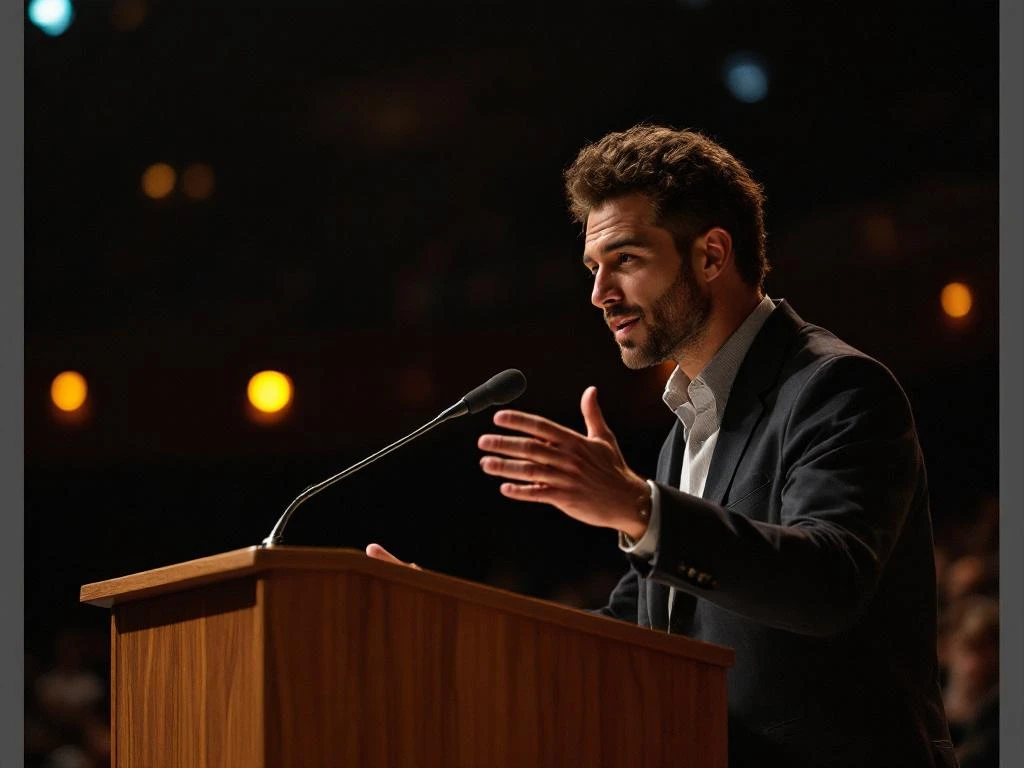
A good event presenter combines strong communication skills, authentic audience engagement, and professional adaptability to create memorable experiences. The best corporate event hosts master both content delivery and crowd dynamics while maintaining energy throughout their presentation. Understanding what separates exceptional presenters from average ones helps organizations choose the right talent for their events.
What skills define an exceptional event presenter?
Exceptional event presenters possess five core competencies: clear communication, commanding stage presence, authentic audience engagement, real-time adaptability, and technical proficiency. These skills work together to create seamless, memorable presentations that keep audiences invested from start to finish.
Communication abilities form the foundation of effective presenting. This includes speaking clearly at appropriate volume levels, using purposeful gestures, and structuring content logically. Great presenters also master vocal variety, adjusting pace and tone to maintain interest while ensuring every audience member can follow along comfortably.
Stage presence involves confident body language, purposeful movement, and the ability to command attention without overwhelming the audience. Professional presenters understand how to use the physical space effectively, whether presenting to fifty people or five hundred.
Audience engagement techniques require reading crowd energy and responding appropriately. This means knowing when to inject humor, when to pause for reflection, and how to involve participants meaningfully. The best event hosts create interactive moments that feel natural rather than forced.
Adaptability allows presenters to adjust their approach based on audience response, technical challenges, or timing constraints. This flexibility ensures smooth delivery regardless of unexpected circumstances that arise during live events.
How does preparation impact presenter effectiveness?
Thorough preparation directly correlates with presenter confidence and audience engagement. Well-prepared presenters anticipate challenges, understand their audience deeply, and deliver content that resonates. Preparation transforms good presenters into exceptional ones through strategic planning and rehearsal.
Content research involves understanding the subject matter thoroughly while identifying key messages that matter most to the specific audience. This includes researching current industry trends, relevant examples, and potential questions that might arise during the presentation.
Audience analysis helps presenters tailor their approach, language, and examples appropriately. Understanding attendee backgrounds, expectations, and knowledge levels allows for more effective communication and engagement strategies.
Technical rehearsals prevent equipment failures and timing issues. Professional presenters test all technology beforehand, prepare backup plans for potential failures, and rehearse transitions between different presentation elements.
Mental preparation includes visualizing successful delivery, preparing responses to difficult questions, and developing strategies for maintaining composure under pressure. This psychological readiness often distinguishes confident presenters from nervous ones.
What’s the difference between presenting and facilitating at events?
Presenting involves delivering prepared content to an audience, while facilitating focuses on guiding group discussions and interactions. Presenters primarily share information, whereas facilitators create environments for collaborative learning and engagement. Both roles require different skill sets and approaches.
Traditional presenting works best for keynote speeches, award ceremonies, and information-sharing sessions where one-way communication is appropriate. The presenter controls the content flow and timing while maintaining audience attention through engaging delivery techniques.
Event moderation and facilitation involve managing group dynamics, encouraging participation, and ensuring productive discussions. Facilitators ask probing questions, manage different personalities, and guide conversations toward desired outcomes.
The most effective corporate event hosts can adapt between these styles seamlessly. During panel discussions, they might facilitate audience questions while also presenting transitional content between segments. This versatility allows for more dynamic, engaging event experiences.
Understanding when each approach works best helps event planners choose appropriate presenters for their specific objectives and audience needs.
How do you handle unexpected situations during live events?
Professional event presenters manage unexpected situations through preparation, quick thinking, and maintaining calm professionalism. The key is having contingency plans while staying flexible enough to adapt when circumstances change. Experience teaches presenters to expect the unexpected.
Technical difficulties require immediate backup solutions. Experienced presenters always have alternative methods for delivering content, whether through printed materials, simplified presentations, or engaging the audience through discussion while technical issues are resolved.
Difficult audience members need tactful management that maintains respect for everyone present. This involves acknowledging concerns professionally, redirecting disruptive behavior constructively, and knowing when to address issues privately during breaks.
Timing challenges often arise when previous sessions run long or technical issues cause delays. Skilled presenters can condense their content effectively while maintaining key messages, or extend presentations naturally when extra time becomes available.
Content adjustments might be necessary based on audience response or changing circumstances. Professional presenters read audience energy and modify their approach accordingly, whether that means adding more interaction, simplifying complex concepts, or adjusting the presentation pace.
What makes audience engagement authentic rather than forced?
Authentic engagement happens when presenters genuinely connect with their audience through relevant content and natural interaction. Forced engagement feels scripted and creates awkward moments that reduce rather than enhance audience participation. Reading the room and responding appropriately creates genuine connection.
Timing interactive elements appropriately means understanding when audiences are ready to participate and when they need to absorb information. Natural breaks in content flow provide opportunities for questions, discussions, or brief activities that enhance rather than interrupt the presentation.
Creating meaningful participation opportunities involves asking questions that matter to attendees and giving them genuine reasons to engage. This might include sharing relevant experiences, solving real problems, or contributing expertise that benefits the entire group.
Reading audience energy allows presenters to adjust their approach in real time. Signs of engagement include forward-leaning postures, eye contact, and responsive body language. Disengagement shows through distracted behavior, side conversations, or passive participation.
Avoiding common engagement pitfalls means steering clear of forced icebreakers, irrelevant activities, or participation that feels mandatory rather than valuable. The best engagement feels natural and adds genuine value to the event experience.
Hoe Boom For Business helpt met professionele event hosting
We provide comprehensive event hosting services that transform corporate gatherings into engaging, memorable experiences. Our professional hosts combine theatrical expertise with business acumen to deliver presentations that resonate with international audiences.
Our event hosting services include:
- Professional presenter training that develops confidence and stage presence
- Customized program development tailored to your specific objectives
- Interactive workshop facilitation that encourages meaningful participation
- Seamless event moderation for panels, conferences, and award ceremonies
- Real-time adaptability to handle unexpected situations professionally
Drawing from over thirty years of experience in comedy and corporate events, we understand how to balance professionalism with engaging energy. Our hosts excel at reading audiences, managing technical challenges, and creating authentic engagement that serves your business objectives.
Ready to elevate your next corporate event? Contact us to discuss how our professional event hosting can create memorable experiences that truly connect with your audience.
Frequently Asked Questions
How far in advance should I book a professional event presenter?
Book your presenter at least 6-8 weeks before your event to ensure availability and allow adequate preparation time. Popular presenters often have busy schedules, especially during peak conference seasons (spring and fall). Early booking also provides time for thorough audience analysis, content customization, and technical rehearsals that ensure seamless delivery.
What should I look for when evaluating potential event presenters?
Focus on three key areas: relevant experience in your industry or event type, strong references from recent clients, and evidence of adaptability under pressure. Request video samples of their work, ask about their backup plans for technical difficulties, and discuss how they handle challenging audience situations. A good presenter will ask detailed questions about your audience and objectives.
How much information should I provide to my presenter before the event?
Share comprehensive details including audience demographics, industry background, event objectives, venue layout, and any sensitive topics to avoid. Provide attendee lists when possible, previous event feedback, and specific outcomes you want to achieve. The more context your presenter has, the better they can tailor their approach and content to resonate with your specific audience.
What's the difference between hiring a motivational speaker versus a professional event host?
Motivational speakers focus primarily on inspiring audiences through personal stories and emotional content, while professional event hosts manage the entire event flow, facilitate interactions, and adapt to various presentation styles throughout the program. Event hosts are more versatile, handling everything from award ceremonies to panel moderation, making them ideal for multi-segment corporate events.
How do professional presenters handle virtual or hybrid events differently?
Virtual and hybrid events require enhanced energy levels, more frequent audience check-ins, and mastery of digital engagement tools like polls, breakout rooms, and chat functions. Professional presenters adjust their delivery pace, use more direct eye contact with cameras, and create shorter content segments to maintain online attention spans. They also prepare additional backup plans for internet connectivity issues.
What happens if my event runs over schedule or needs last-minute changes?
Experienced presenters build flexibility into their programs and can adjust content length by 20-30% without losing key messages. They prepare modular content that can be expanded or condensed, and they're skilled at gracefully managing time transitions. Professional presenters also coordinate closely with event organizers to handle schedule changes while maintaining audience engagement and energy levels.
How can I measure the success of my event presenter's performance?
Track both quantitative metrics (audience engagement scores, post-event survey ratings, social media mentions) and qualitative feedback (specific comments about presenter impact, requests for future bookings, referrals generated). The best measure is whether your event objectives were met and if attendees felt the experience was valuable, memorable, and professionally executed.