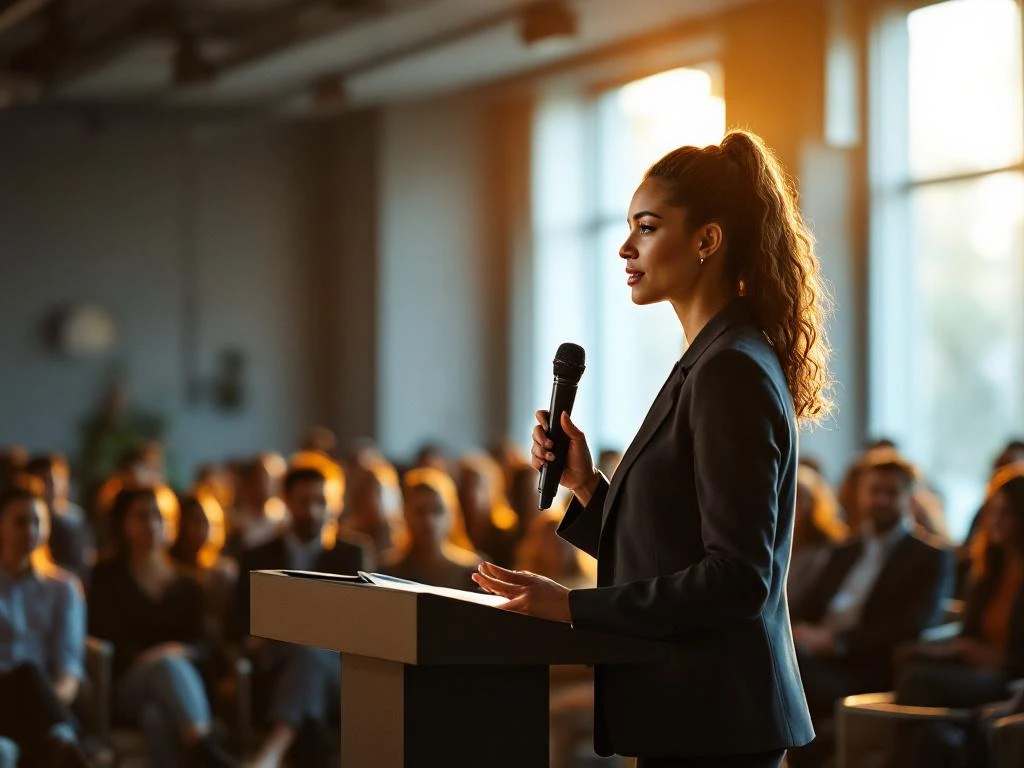
An event presenter is a professional who guides audiences through corporate events, managing the flow, energy, and engagement throughout the entire experience. Unlike traditional speakers who deliver specific content, event presenters focus on seamless transitions, audience interaction, and maintaining momentum. They serve as the connecting thread that transforms individual presentations into cohesive, memorable experiences that achieve business objectives.
What is an event presenter and what do they actually do?
An event presenter is a skilled professional who serves as the master of ceremonies for corporate events, managing audience engagement, timing, and overall event flow. They act as the central hub that connects different segments of an event while maintaining energy and professionalism throughout.
The core responsibilities of an event presenter extend far beyond simple introductions. They manage event timing to ensure smooth transitions between speakers, handle unexpected situations with grace, and adapt their approach based on audience reactions. A professional corporate event host reads the room constantly, adjusting their energy and interaction style to match what the audience needs.
Event presenters differ significantly from regular speakers or moderators. While speakers focus on delivering specific content and moderators facilitate discussions, event presenters take ownership of the entire audience experience. They welcome attendees, set expectations, introduce speakers with context that enhances their credibility, and maintain engagement during breaks or technical difficulties.
Their value lies in creating continuity and connection. They transform what could be a series of disconnected presentations into a unified experience that feels intentional and engaging. This role becomes particularly crucial for longer events, where audience attention naturally wanes without skilled guidance.
What skills make a professional event presenter effective?
Effective event presenters combine strong communication abilities with exceptional adaptability and stage presence. They must read audiences quickly, adjust their approach in real time, and maintain professional composure regardless of circumstances that arise during events.
Communication skills form the foundation of effective event hosting. This includes clear articulation, appropriate volume and pacing, and the ability to convey information concisely. Professional event presenters also master non-verbal communication, using gestures, posture, and facial expressions to enhance their verbal messages and maintain audience connection.
Stage presence separates amateur hosts from professionals. This involves commanding attention without being overwhelming, projecting confidence that puts audiences at ease, and maintaining energy that matches the event’s objectives. Skilled presenters know when to be energetic and when to adopt a more serious tone.
Adaptability is crucial for handling unexpected situations. Technical failures, speaker cancellations, or timing changes require quick thinking and smooth recovery. The best event hosts prepare for contingencies while appearing effortless in their adjustments.
Audience engagement techniques include asking relevant questions, facilitating networking opportunities, and using appropriate humour to maintain interest. Professional presenters also excel at crowd management, ensuring participation feels inclusive rather than forced.
How do you choose the right event presenter for your corporate event?
Selecting the right event presenter requires evaluating their experience with similar events, communication style, and ability to align with your company culture and event objectives. The best choice understands your industry context and can represent your organisation professionally.
Start by assessing their experience with events similar to yours in size, format, and industry. An event presenter who excels at intimate workshops may not suit large conferences, and someone comfortable with casual team-building events might not match formal awards ceremonies.
Communication style compatibility matters significantly. Review video samples of their work to assess whether their energy level, approach to humour, and interaction style align with your event goals and company culture. Some events require high energy and entertainment, while others need more subdued professionalism.
Ask specific questions about their preparation process, contingency planning, and experience handling difficult situations. Professional presenters should demonstrate clear processes for understanding your event objectives, preparing relevant content, and managing unexpected challenges.
Consider their ability to work with your speakers and agenda. The right presenter enhances rather than competes with your content, seamlessly integrating with your programme while adding value through smooth transitions and audience engagement.
What’s the difference between an event presenter and a regular speaker?
Event presenters focus on managing the overall event experience and audience engagement, while regular speakers concentrate on delivering specific content or expertise. Presenters serve as facilitators who enhance the entire programme, whereas speakers contribute particular knowledge or insights.
The scope of responsibility differs dramatically between these roles. Regular speakers prepare and deliver presentations on topics within their expertise, focusing on content accuracy and audience understanding of their specific subject matter. Their success measures typically involve knowledge transfer and audience comprehension.
Event moderation and presentation involve managing multiple elements simultaneously. Professional presenters coordinate timing, facilitate smooth transitions, handle technical issues, and maintain audience engagement throughout the entire event. They succeed when the overall experience feels cohesive and engaging.
Preparation approaches also vary significantly. Speakers research their topics thoroughly and structure their content for maximum impact. Event presenters research the entire event, understanding each speaker’s background, the audience composition, company culture, and event objectives to create connecting narratives.
The skill sets required reflect these different focuses. Speakers need deep subject matter expertise and the ability to explain complex concepts clearly. Event presenters need broad communication skills, adaptability, crowd management abilities, and the capacity to enhance others’ contributions rather than overshadowing them.
How does professional event hosting impact audience engagement?
Professional event hosting significantly increases audience participation by creating welcoming atmospheres, facilitating smooth transitions, and maintaining energy levels throughout events. Skilled hosts transform passive audiences into engaged participants who remain attentive and invested in the experience.
Energy management represents one of the most critical impacts of professional hosting. Audiences naturally experience attention fatigue during longer events, but skilled presenters recognise these patterns and adjust accordingly. They introduce interactive elements, vary pacing, and use strategic breaks to maintain optimal engagement levels.
Professional hosts also enhance speaker effectiveness by providing context that helps audiences connect with each presentation. Rather than simple introductions, they create bridges between topics and explain relevance to audience members’ specific interests or challenges.
Audience participation increases when hosts create psychologically safe environments for interaction. Professional event hosting involves reading audience comfort levels, encouraging participation without pressure, and managing group dynamics to ensure inclusive experiences.
The memorable experience factor cannot be overstated. Well-hosted events leave lasting positive impressions that extend beyond the immediate content. Attendees remember feeling welcomed, engaged, and valued, which enhances their perception of the hosting organisation and increases the likelihood of future participation.
How Boom For Business helps with professional event hosting
We specialise in transforming corporate events into engaging, memorable experiences through our professional event hosting services. Drawing from over 30 years of expertise and our unique background in comedy and improvisation, we bring unmatched energy and adaptability to every corporate gathering.
Our approach combines the professionalism international corporations expect with dynamic energy that keeps audiences genuinely engaged. We excel at:
- Managing conferences, awards ceremonies, and panel discussions with seamless flow
- Adapting in real time to audience needs and unexpected situations
- Incorporating appropriate, business-friendly humour that enhances rather than detracts from your objectives
- Handling both in-person and digital/hybrid events with technical expertise
- Creating connections between different event segments that feel natural and purposeful
Our hosts possess the unique ability to read audiences and inject the right level of energy and interaction for your specific event goals. Whether you’re hosting an international conference or celebrating company achievements, we ensure your message lands with maximum impact while creating positive, lasting impressions.
Ready to elevate your next corporate event? Contact us to discuss how our professional event hosting can transform your gathering into an engaging experience that achieves your business objectives while leaving attendees genuinely impressed.
Frequently Asked Questions
How far in advance should I book an event presenter for my corporate event?
For best results, book your event presenter 6-8 weeks in advance for smaller events and 3-4 months ahead for large conferences or high-profile gatherings. This timeline allows proper preparation, coordination with speakers, and contingency planning. Last-minute bookings are possible but may limit your choice of presenters and preparation quality.
What information should I provide to my event presenter during the briefing process?
Share your event agenda, speaker backgrounds and topics, audience demographics, company culture details, and specific objectives you want to achieve. Include any sensitive topics to avoid, preferred interaction levels, and technical setup details. The more context you provide, the better your presenter can tailor their approach to match your event's needs.
How do professional event presenters handle technical difficulties or unexpected disruptions?
Experienced presenters prepare backup plans for common issues like microphone failures, speaker delays, or presentation problems. They keep audiences engaged with relevant conversation, networking opportunities, or interactive activities while technical teams resolve issues. Professional hosts also coordinate with event staff beforehand to establish clear communication protocols for handling disruptions smoothly.
Can an event presenter work effectively with virtual or hybrid corporate events?
Yes, professional event presenters adapt their skills for virtual and hybrid formats by mastering digital engagement techniques, managing online audience interaction tools, and coordinating between in-person and remote participants. They ensure smooth technical transitions, maintain energy across different platforms, and create inclusive experiences for all attendees regardless of their participation method.
What's the typical cost range for hiring a professional corporate event presenter?
Event presenter fees vary based on event duration, complexity, presenter experience, and location. Half-day events typically range from €1,500-€4,000, while full-day conferences can cost €3,000-€8,000 or more. International events or high-profile presenters command premium rates. Always discuss specific requirements to get accurate pricing tailored to your event needs.
How can I measure the success of my event presenter's performance?
Track audience engagement levels, event timing adherence, smooth transitions between segments, and overall attendee feedback specifically about the hosting experience. Post-event surveys should include questions about the presenter's effectiveness, professionalism, and contribution to the event's success. High-quality hosting typically results in positive comments about event flow and audience satisfaction.
Should my event presenter meet with speakers beforehand, and how does this coordination work?
Yes, pre-event coordination between your presenter and speakers significantly improves event quality. This can include brief calls to discuss introduction preferences, key points to highlight, and transition timing. Professional presenters often provide speakers with guidelines about handovers and Q&A management. This coordination ensures seamless integration and helps speakers feel more confident and prepared.