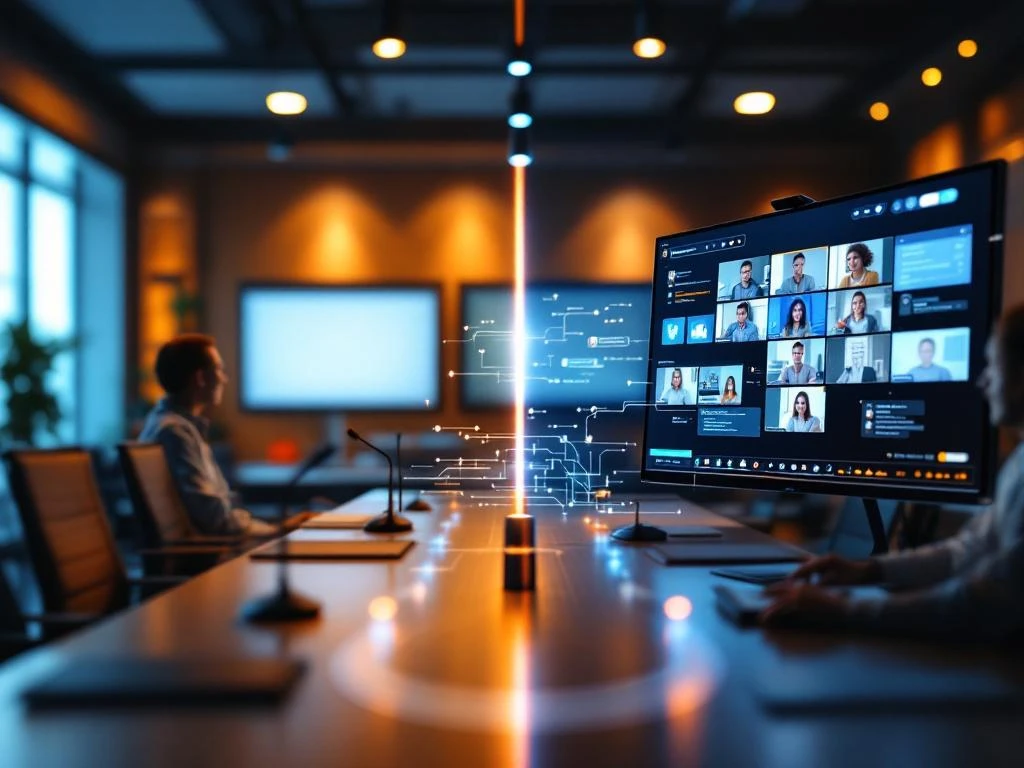
Digital event moderation involves facilitating and managing virtual events to ensure a smooth flow, strong audience engagement, and effective technical coordination. A professional event host guides discussions, manages timing, handles audience interaction, and troubleshoots technical issues in real time. This comprehensive approach transforms online gatherings into engaging, memorable experiences that achieve business objectives while maintaining participant attention throughout the virtual format.
What is digital event moderation and why is it essential?
Digital event moderation is the professional management of virtual events, combining technical coordination with audience engagement to create seamless online experiences. A virtual event host manages participant interaction, facilitates discussions, coordinates breakout sessions, and ensures that technical elements function properly throughout the event.
The role extends beyond traditional hosting to include managing chat functions, coordinating with technical support teams, and adapting presentation styles for digital formats. Professional event hosts understand how to maintain energy levels through screens while managing multiple platforms simultaneously.
Event moderation becomes essential in virtual environments because digital audiences face unique distractions that do not exist in physical settings. Participants can easily multitask, lose connection, or disengage without the visual cues that moderators would notice in person. A skilled business event facilitator anticipates these challenges and implements strategies to maintain focus and participation.
Effective moderation also ensures technical reliability, which directly impacts event success. When connectivity issues arise or platform features malfunction, experienced moderators can quickly implement backup solutions while maintaining a professional atmosphere and participant confidence.
How do you choose the right platform for digital event moderation?
Platform selection depends on your event type, audience size, and required interactive features. Popular options include Zoom for webinars, Microsoft Teams for corporate integration, and specialized platforms like Hopin for large conferences with networking components.
Key features to evaluate include breakout room capabilities, polling tools, chat moderation options, screen-sharing quality, and recording functionality. Consider whether you need simultaneous interpretation, whiteboard collaboration, or integration with registration systems.
Technical requirements matter significantly for successful event moderation. Assess bandwidth requirements, mobile compatibility, and backup hosting options. Some platforms handle large audiences better, while others excel at interactive workshops with smaller groups.
Audience familiarity with platforms also influences selection. Corporate events often benefit from Teams or Webex integration with existing business systems, while external audiences may prefer user-friendly options like Zoom that require minimal setup.
What are the key differences between moderating in-person and digital events?
Digital event moderation requires managing technology alongside traditional hosting skills, while in-person events focus primarily on audience dynamics and venue logistics. Virtual event hosts must coordinate multiple screens, monitor chat channels, and troubleshoot technical issues while maintaining an engaging presentation style.
Energy management differs substantially between formats. In-person events allow natural audience interaction and visual cues that help moderators gauge engagement levels. Digital formats require more deliberate interaction strategies and frequent check-ins to maintain participant attention.
Communication styles must adapt for virtual environments. Professional event hosts speak more directly to cameras, use varied vocal tones to maintain interest, and incorporate longer pauses for technical processing. Body language and gestures require adjustment for screen-based viewing.
Managing distractions becomes more complex in virtual settings. Digital moderators cannot control participant environments, requiring strategies to compete with emails, household interruptions, and multitasking temptations that do not exist in dedicated event venues.
How do you keep virtual audiences engaged during digital events?
Interactive elements maintain virtual audience attention more effectively than passive presentations. Implement polls every 10–15 minutes, use breakout sessions for small group discussions, and encourage chat participation through directed questions and real-time responses.
Timing becomes crucial for virtual engagement. Plan shorter presentation segments with frequent transitions, incorporate movement breaks, and vary content formats between slides, videos, and interactive activities to prevent screen fatigue.
Gamification elements add energy to virtual events through competitions, quizzes, and achievement recognition. Corporate event hosts can implement team challenges, knowledge contests, or networking games that encourage active participation rather than passive viewing.
Combat virtual fatigue by limiting continuous screen time, encouraging participants to stand or move during breaks, and using varied visual elements. Professional moderators adjust lighting, change backgrounds, or move between different camera angles to maintain visual interest throughout longer sessions.
What technical skills does a digital event moderator need?
Platform mastery forms the foundation of digital event moderation, requiring proficiency with hosting controls, participant management, breakout room coordination, and recording functions. Event presenters must navigate these features smoothly while maintaining a professional presentation flow.
Troubleshooting capabilities enable quick resolution of common issues, including audio problems, connectivity interruptions, screen-sharing failures, and participant access difficulties. Experienced hybrid event hosts maintain backup communication channels and alternative solutions ready for immediate implementation.
Multi-screen coordination allows moderators to monitor participant engagement, manage chat conversations, coordinate with technical support, and present content simultaneously. Professional event hosts develop systems for organizing multiple information streams without compromising presentation quality.
Backup planning ensures event continuity when technical failures occur. This includes alternative hosting accounts, secondary internet connections, mobile hotspot capabilities, and communication protocols with technical support teams for rapid issue resolution.
How Boom for Business helps with digital event moderation
We provide comprehensive digital event moderation services that combine professional hosting expertise with technical proficiency to deliver engaging virtual experiences. Our event hosting specialists bring over 30 years of experience managing corporate events, adapting seamlessly between in-person, virtual, and hybrid formats.
Our approach includes:
- Professional virtual event hosts trained in digital platform management and audience engagement techniques
- Technical coordination with backup systems and real-time troubleshooting capabilities
- Interactive content integration, including polls, breakout sessions, and gamification elements
- Customized moderation styles that match your corporate culture and event objectives
- Pre-event platform testing and participant onboarding support
What sets us apart is our unique combination of business professionalism with engaging, appropriate humour that maintains audience attention throughout virtual formats. Our moderators understand how to read virtual audiences and adapt energy levels in real time.
Ready to transform your next virtual event into an engaging, memorable experience? Contact us to discuss how our professional digital event moderation services can elevate your corporate events and ensure seamless virtual experiences that truly resonate with your audience.
Frequently Asked Questions
How far in advance should I book a professional digital event moderator?
For best results, book your digital event moderator 2-4 weeks in advance for standard corporate events, or 6-8 weeks for large conferences or specialized events. This timeline allows for proper pre-event planning, platform testing, content review, and coordination with your technical team to ensure seamless execution.
What happens if our moderator experiences technical difficulties during the live event?
Professional digital event moderation services include comprehensive backup plans with secondary internet connections, alternative hosting accounts, and immediate technical support coordination. Most experienced moderators can resolve common issues within 30-60 seconds while maintaining event flow, and have protocols for seamless handoffs to backup moderators if needed.
Can a digital event moderator help with participant onboarding before the event starts?
Yes, many professional moderators offer pre-event services including platform familiarization sessions, technical check-ins with key participants, and guided walkthroughs of interactive features. This proactive approach significantly reduces day-of technical issues and helps participants feel more comfortable with the virtual environment.
How do you measure the success of digital event moderation?
Success metrics include participant engagement rates (chat activity, poll responses, breakout room participation), technical uptime, audience retention throughout the event, and post-event feedback scores. Professional moderators also track interaction frequency, question quality, and overall event flow to continuously improve virtual event experiences.
What's the difference between a basic virtual host and a professional digital event moderator?
A professional digital event moderator brings specialized training in virtual audience psychology, advanced platform management skills, real-time technical troubleshooting capabilities, and strategic engagement techniques. They can adapt to unexpected situations, manage complex multi-screen coordination, and maintain energy levels that basic hosts often struggle with in virtual environments.
Can digital event moderators work with any virtual platform, or are they limited to specific ones?
Experienced digital event moderators typically master 3-5 major platforms (Zoom, Teams, WebEx, Hopin) and can quickly adapt to others with advance notice. They understand platform-specific features, limitations, and best practices, allowing them to recommend the optimal platform for your event goals and provide seamless moderation regardless of your chosen technology.
How do you handle disruptive participants or inappropriate behavior in virtual events?
Professional moderators use graduated response protocols including private messaging, temporary muting, breakout room isolation, and as a last resort, participant removal. They're trained to address disruptions quickly and diplomatically while maintaining the event's professional atmosphere and minimizing impact on other attendees.