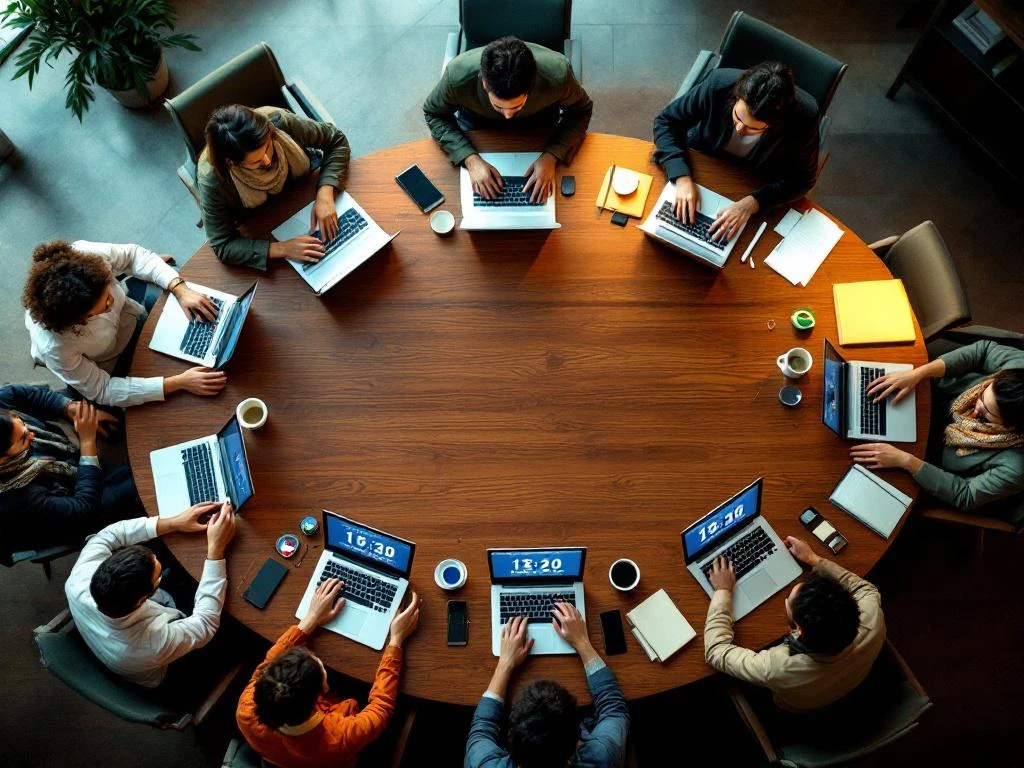
Planning team building for multinational teams requires addressing unique challenges such as cultural differences, language barriers, and time zone complications. Success depends on choosing inclusive activities that work across cultures, implementing strategies to overcome communication barriers, and finding creative solutions for global participation. The key is selecting fun team building approaches that celebrate diversity while building genuine connections among team members from different backgrounds.
What are the unique challenges of planning team building for multinational teams?
Multinational team building faces several complex challenges that do not exist with local teams. Cultural differences create varying expectations about participation, communication styles, and appropriate activities. Language barriers can exclude team members or create misunderstandings during exercises.
Time zone complications make scheduling extremely difficult when team members span multiple continents. Some colleagues might join early-morning sessions while others participate late at night, affecting energy levels and engagement quality.
Different work styles and professional cultures add another layer of complexity. Some cultures value direct communication and competitive activities, while others prefer collaborative approaches and indirect feedback. Religious considerations, dietary restrictions, and varying comfort levels with physical activities or personal sharing can also impact team building activities planning.
Technology access varies significantly across regions, potentially limiting virtual participation options. Internet connectivity, platform familiarity, and device capabilities can create unequal experiences that undermine team building goals.
How do you overcome language barriers in multinational team building activities?
Visual-based exercises work exceptionally well for overcoming language barriers in team building. Photo challenges, drawing activities, and gesture-based games allow participation without requiring advanced language skills. These activities rely on creativity and non-verbal communication that transcends linguistic differences.
Universal games such as charades, Pictionary variations, or music-based activities create common ground where language proficiency matters less than enthusiasm and participation. Simple rules and familiar concepts help everyone engage meaningfully regardless of their English level.
Providing materials in multiple languages shows respect for team diversity. Key instructions, safety information, and activity summaries should be available in participants’ native languages when possible. This preparation demonstrates inclusivity and ensures everyone clearly understands expectations.
Pairing team members strategically can bridge language gaps naturally. Mixing native speakers with non-native speakers creates opportunities for mutual support while building relationships. Team building becomes more effective when participants help each other succeed rather than compete individually.
What types of team building activities work best for culturally diverse groups?
Collaborative problem-solving exercises work especially well with diverse teams because they leverage different perspectives and thinking styles. Puzzle challenges, escape room scenarios, or building projects allow team members to contribute their unique strengths while working toward common goals.
Creative workshops such as cooking challenges, art projects, or storytelling sessions celebrate cultural diversity while building unity. These activities encourage participants to share their backgrounds naturally while creating something together. Food-based activities work particularly well because every culture has culinary traditions to contribute.
Interactive experiences that focus on learning about one another build genuine connections. Cultural exchange sessions, “show and tell” presentations about home countries, or collaborative playlist creation help team members appreciate their differences while finding common interests.
Physical activities should be inclusive and adaptable to different comfort levels. Walking tours, gentle sports, or movement-based games can work well when designed to accommodate various abilities and cultural considerations. The focus should remain on participation and enjoyment rather than competition or performance.
How do you handle different time zones when planning virtual team building for global teams?
Rotating meeting times ensures fair participation across all time zones over multiple sessions. Instead of always accommodating one region, alternate scheduling so everyone experiences both convenient and inconvenient times. This approach demonstrates respect for all team members regardless of location.
Asynchronous team building elements allow participation without requiring simultaneous attendance. Create challenges that teams can complete independently and share results later. Photo contests, creative projects, or collaborative documents work well for bridging time zone gaps while maintaining engagement.
Regional breakout sessions can complement global meetings effectively. Organise smaller activities for participants in similar time zones, then bring groups together to share experiences or take part in friendly competitions. This hybrid approach maximises participation while maintaining a global connection.
Recorded components ensure no one misses important content. Record key presentations, instructions, or highlights that absent team members can watch later. This inclusive strategy helps maintain team cohesion despite the scheduling challenges inherent in global collaboration.
How Boom For Business helps with multinational team building
We specialise in creating inclusive team building experiences that work seamlessly across cultures and languages. Our professional multilingual hosts understand the nuances of international team dynamics and adapt activities to ensure everyone feels welcome and engaged.
Our approach includes:
- Custom comedy programmes that use universal humour and visual elements to transcend language barriers
- Interactive challenges designed specifically for culturally diverse groups, including photo and video competitions throughout Amsterdam
- Flexible scheduling solutions that accommodate multiple time zones through hybrid in-person and virtual formats
- Professional facilitation that celebrates cultural differences while building genuine team connections
Drawing on over 30 years of experience with international corporations, we understand how to navigate cultural sensitivities while creating memorable experiences that strengthen global teams. Our expertise in improvisation and storytelling ensures your message resonates across all cultures and backgrounds.
Ready to bring your multinational team together? Contact us today to discuss how we can create the perfect culturally inclusive team building experience for your global organisation.
Frequently Asked Questions
How far in advance should we start planning team building for a multinational team?
Start planning at least 6-8 weeks in advance for multinational team building. This timeline allows sufficient time to coordinate across time zones, gather cultural preferences and dietary restrictions, secure appropriate technology platforms, and ensure all team members can participate. Complex logistics and cultural considerations require more preparation than local team events.
What's the ideal duration for virtual team building sessions with global participants?
Keep virtual sessions between 60-90 minutes maximum to accommodate different energy levels across time zones. Break longer activities into multiple shorter sessions spread over several days. This approach prevents fatigue for participants joining during inconvenient hours while maintaining engagement and allowing for meaningful interaction.
How do we measure the success of multinational team building initiatives?
Use post-activity surveys in participants' native languages, track engagement metrics during virtual sessions, and monitor collaboration improvements in subsequent work projects. Focus on qualitative feedback about cultural understanding and relationship building rather than just participation rates. Follow up after 2-4 weeks to assess lasting impact on team dynamics.
What should we do if some team members seem reluctant to participate in cultural sharing activities?
Make cultural sharing optional and provide multiple ways to participate, such as sharing photos, objects, or written stories instead of verbal presentations. Create small breakout groups rather than large group sharing, and allow anonymous contributions through digital platforms. Respect that some cultures value privacy and adjust activities to include non-personal alternatives.
How can we ensure team building activities are accessible for team members with disabilities across different countries?
Survey participants about accessibility needs well in advance, as disability accommodations vary significantly by country and culture. Provide multiple participation options for each activity, ensure virtual platforms are screen-reader compatible, and offer alternative formats for visual or audio-based exercises. Partner with local accessibility experts in different regions when planning in-person components.
What's the best way to handle cultural conflicts that arise during team building activities?
Prepare facilitators with cultural sensitivity training and establish ground rules emphasizing respect and curiosity over judgment. Address conflicts immediately through private conversations, focusing on understanding different perspectives rather than determining right or wrong. Have a cultural advisor or HR representative available during sessions to provide guidance when sensitive situations arise.
How often should multinational teams engage in team building activities to maintain cohesion?
Aim for quarterly team building sessions with monthly smaller touchpoints like virtual coffee chats or cultural spotlights. Global teams need more frequent relationship-building opportunities than local teams due to limited daily interaction. Supplement formal activities with ongoing cultural exchange initiatives and celebrate international holidays throughout the year to maintain momentum.