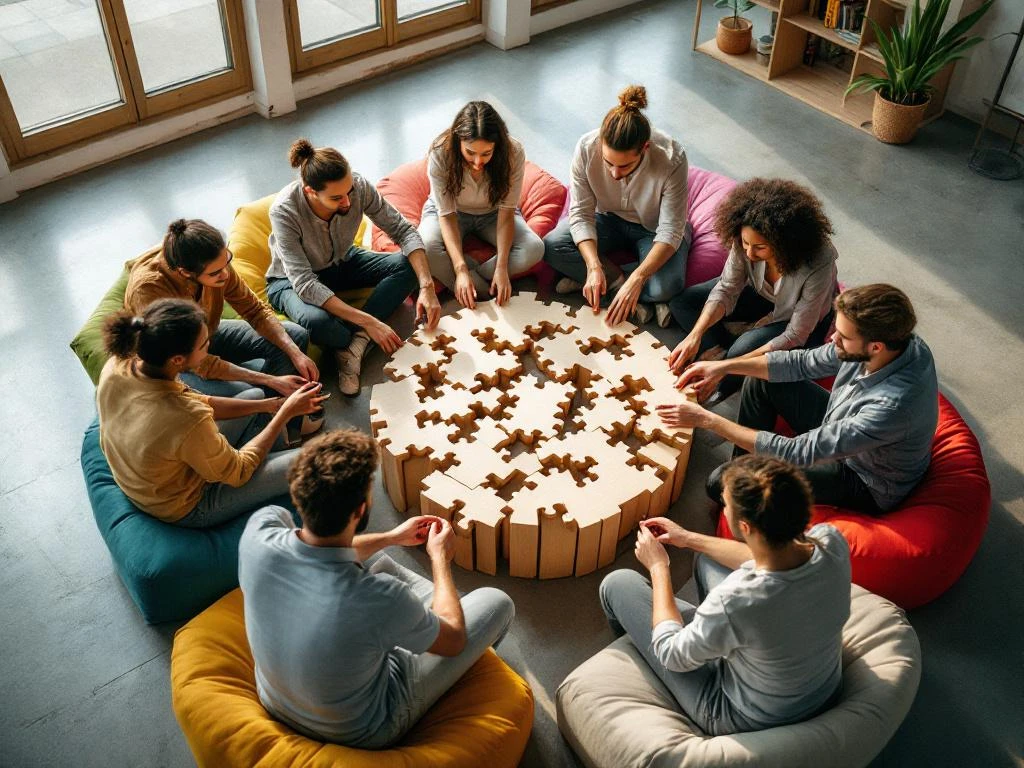
Designing team building activities for cultural change requires aligning activities with desired values, creating behavioural reinforcement mechanisms, and building sustainable impact. Effective cultural transformation through team building goes beyond traditional exercises to address specific organisational challenges and embed new ways of working. The key lies in strategic planning that connects enjoyable team building experiences to meaningful cultural shifts.
What makes team building activities effective for cultural change?
Effective team building activities for cultural change directly align with your organisation’s desired values and create clear connections between experiences and daily behaviours. Unlike traditional team building focused purely on enjoyment, transformational activities include specific learning objectives, behavioural practice opportunities, and follow-up reinforcement mechanisms that embed new cultural patterns into workplace routines.
The most impactful activities share several key characteristics. They create safe spaces for practising new behaviours, allowing team members to experiment with different communication styles or collaboration approaches without fear of failure. These activities also provide immediate feedback loops, helping participants understand how their actions affect others and the broader team dynamic.
Successful cultural change activities incorporate storytelling and reflection components that help teams process their experiences and connect them to workplace situations. They often include role-playing scenarios that mirror real workplace challenges, giving teams opportunities to practise desired behaviours in low-stakes environments before applying them in their daily work.
How do you assess your current culture before designing team building activities?
Cultural assessment begins with gathering honest feedback from employees across all levels through surveys, focus groups, and informal conversations. This process identifies gaps between your current culture and desired future state, revealing specific areas where team building activities can create the most impact. Understanding employee perspectives ensures activities address real challenges rather than assumed problems.
Start by conducting anonymous culture surveys that explore communication patterns, collaboration effectiveness, trust levels, and alignment with stated company values. Include questions about what employees value most about the current culture and what they’d like to change. This baseline data helps you measure progress after implementing team building initiatives.
Observe team interactions during meetings, projects, and informal moments to identify unspoken cultural patterns. Look for communication styles, decision-making processes, conflict resolution approaches, and how teams handle stress or pressure. These observations often reveal cultural elements that surveys might miss.
Interview managers and team leaders to understand their perspectives on cultural strengths and challenges. They often have insights into how culture affects productivity, employee satisfaction, and team performance. Their input helps ensure team building activities address leadership concerns while supporting employee needs.
What types of team building activities work best for different cultural goals?
Communication improvement benefits most from activities that require clear information sharing, active listening, and collaborative problem-solving. Interactive workshops focused on storytelling, improvisation exercises, and structured dialogue create opportunities for teams to practise new communication patterns in engaging, memorable ways that transfer to workplace interactions.
For building trust and psychological safety, choose activities that involve vulnerability, shared challenges, and mutual support. Trust-building exercises might include problem-solving challenges where team members must rely on each other’s strengths, or creative projects that encourage risk-taking and learning from mistakes together.
Innovation and creativity goals respond well to activities that break routine thinking patterns and encourage experimentation. Improvisation workshops, creative problem-solving challenges, and activities that combine unexpected elements help teams develop comfort with ambiguity and openness to new ideas.
Collaboration enhancement works best with activities that require interdependence and shared success. Team challenges where individual success depends on group achievement, cross-functional project simulations, and activities that highlight different working styles help teams appreciate diversity and develop better collaboration skills.
How do you measure the impact of team building on cultural change?
Measuring cultural change requires combining immediate post-activity feedback with longer-term behavioural observation and engagement metrics. Effective measurement tracks both quantitative indicators like participation rates and survey scores, and qualitative changes in communication patterns, collaboration effectiveness, and overall team dynamics over time.
Implement pulse surveys at regular intervals following team building activities to track shifts in employee engagement, trust levels, and cultural alignment. These short, frequent surveys capture trends more effectively than annual culture surveys and help you identify which activities create lasting impact versus temporary enthusiasm.
Monitor workplace behaviours that reflect cultural goals, such as cross-departmental collaboration frequency, meeting participation patterns, feedback quality, and conflict resolution approaches. Document specific examples of teams applying lessons from team building activities to real workplace situations.
Track retention rates, internal mobility, and employee referral patterns, as these often reflect improvements in cultural health. Teams with stronger cultures typically see increased employee satisfaction, reduced turnover, and higher performance levels that become evident over months rather than weeks.
How Boom for Business helps with team building for cultural change
We specialise in creating team building experiences that combine professional development with engaging entertainment, using business-friendly humour and interactive activities to support lasting cultural transformation. Our approach leverages improvisation and storytelling expertise to create memorable experiences that help teams practise new behaviours and strengthen workplace relationships.
Our methodology includes:
- Custom-designed activities that align with your specific cultural goals and organisational values
- Professional hosts who facilitate meaningful connections while maintaining energy and engagement
- Interactive workshops and masterclasses that enhance communication and collaboration skills
- Follow-up support to help teams integrate new behaviours into daily work routines
Whether your teams need outdoor adventures through Amsterdam or focused indoor workshops, we create experiences that combine proven entertainment excellence with strategic cultural objectives. Our programmes help organisations navigate change while building stronger team dynamics through activities that teams genuinely enjoy and remember.
Ready to design team building activities that support your cultural transformation goals? Contact us to discuss how we can create a customised programme that combines professional development with engaging experiences your teams will value.
Frequently Asked Questions
How long does it typically take to see cultural change results from team building activities?
Initial behavioural shifts often appear within 2-4 weeks after well-designed activities, but meaningful cultural transformation typically takes 3-6 months of consistent reinforcement. The key is implementing follow-up mechanisms and regular practice opportunities to embed new behaviours into daily routines, rather than expecting immediate permanent change from a single event.
What's the biggest mistake organisations make when using team building for cultural change?
The most common mistake is treating team building as a one-time event rather than part of an ongoing cultural transformation strategy. Many organisations skip the crucial follow-up phase, failing to connect activities to daily work practices or provide opportunities for teams to apply new behaviours in real workplace situations.
How do you get buy-in from skeptical employees who view team building as 'fluffy' or waste of time?
Address skepticism by clearly communicating the business objectives and expected outcomes before activities begin. Share specific examples of how the skills practiced will directly improve their work experience, and choose activities that mirror real workplace challenges rather than abstract exercises. Involving skeptics in the planning process and gathering their input on cultural priorities can also increase engagement.
Can remote or hybrid teams benefit from cultural change through team building activities?
Absolutely, though virtual team building requires different approaches to create meaningful connections and practice opportunities. Focus on interactive online workshops, collaborative problem-solving challenges, and structured communication exercises that work well in digital formats. The key is ensuring remote participants feel equally engaged and can practice new behaviours in their virtual work environment.
How do you maintain momentum between team building sessions?
Create 'micro-practices' that teams can implement weekly, such as starting meetings with appreciation rounds or using specific communication frameworks learned during activities. Assign cultural champions within teams to remind colleagues of new practices, and schedule brief monthly check-ins to discuss how teams are applying lessons from team building in their daily work.
What should you do if some team members participate enthusiastically while others remain disengaged?
Focus on creating psychological safety by addressing concerns privately with disengaged members and understanding their perspective on the cultural goals. Pair enthusiastic participants with more reserved colleagues during activities, and ensure everyone has opportunities to contribute in ways that match their comfort level. Sometimes resistance indicates valuable feedback about the cultural change process itself.
How do you adapt team building activities for teams with different cultural backgrounds or communication styles?
Start by understanding the diverse communication preferences and cultural norms within your team through pre-activity conversations or surveys. Design activities with multiple participation styles - some verbal, some written, some visual - and be prepared to adjust facilitation approaches mid-session. Consider cultural differences in feedback styles, hierarchy respect, and comfort with vulnerability when planning exercises.
Related Articles
- How do professional hosts adapt to different venue sizes?
- What are team building solutions for improving internal communications?
- What does a professional event host do during conferences?
- What are the benefits of hiring a professional event host?
- 9 ways a teambuilding workshop supports your broader company strategy