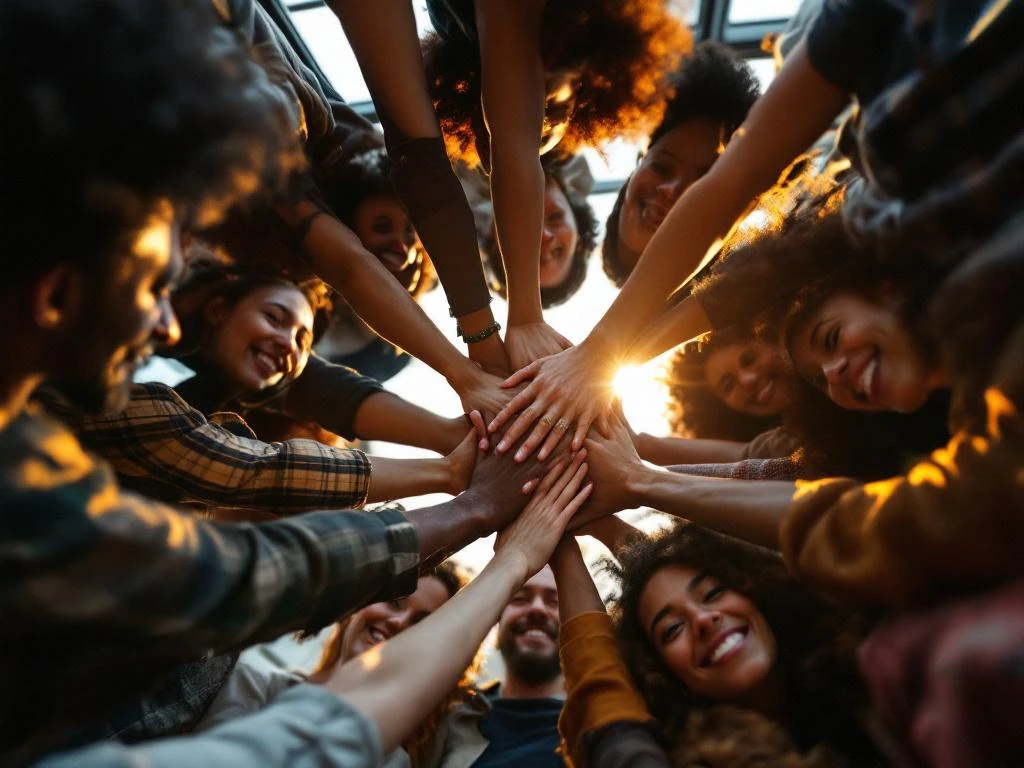
Team building activities create lasting impact when they address real workplace challenges and build transferable skills that teams can apply daily. The most effective activities focus on communication, trust-building, and problem-solving rather than just entertainment. Fun team building experiences that connect to actual work situations produce measurable improvements in collaboration and productivity that extend well beyond the initial event.
What makes team building activities create genuine, lasting impact?
Team building activities create genuine, lasting impact through psychological safety, skill transfer, and meaningful connection-building that addresses real workplace dynamics. The most effective activities focus on developing communication patterns, trust mechanisms, and collaborative problem-solving abilities that teams can immediately apply to their daily work challenges.
Successful team building goes beyond surface-level fun to address fundamental team dynamics. Activities that encourage vulnerability, open communication, and shared problem-solving create psychological safety, where team members feel comfortable taking risks and expressing ideas. This foundation enables ongoing improvements in collaboration.
The key differentiator lies in experiential learning that mirrors actual workplace situations. When team building activities simulate real challenges or require skills directly applicable to work projects, participants develop muscle memory for better collaboration. These transferable skills become part of team culture rather than isolated memories.
Trust-building exercises that reveal individual strengths and working styles help team members understand how to leverage each other’s capabilities. This understanding creates lasting improvements in delegation, communication, and conflict resolution that persist long after the activity ends.
How long do the effects of team building activities actually last?
The effects of team building activities typically last 3–6 months without reinforcement, though well-designed programs can create behavioral changes that persist for a year or longer. The longevity depends on activity quality, follow-up practices, leadership support, and how well the experience connects to daily work situations.
Immediate effects like improved mood and enthusiasm usually fade within 2–4 weeks. However, deeper impacts on communication patterns, trust levels, and collaborative skills can maintain momentum for several months when properly reinforced through ongoing practices and leadership modeling.
Activities that teach specific communication techniques or problem-solving frameworks tend to have longer-lasting effects because they provide concrete tools teams can reference and reuse. When leaders actively reinforce lessons learned and create opportunities to practice new behaviors, the impact can extend significantly.
The most sustainable results occur when team building becomes part of an ongoing development strategy rather than a one-time event. Regular check-ins, refresher sessions, and integration of learned concepts into team meetings help maintain and strengthen the initial improvements over time.
What types of team building activities produce the most sustainable results?
Problem-solving challenges and communication-focused workshops produce the most sustainable results because they develop specific skills teams can repeatedly apply. Activities that combine creative thinking with practical application create lasting behavioral changes rather than temporary engagement boosts.
Interactive workshops that teach communication frameworks, conflict resolution techniques, or collaborative decision-making processes provide teams with reusable tools. These skill-building activities create sustainable improvements because participants can reference and practice the techniques in their daily work.
Creative challenges that require diverse thinking styles and collaborative problem-solving help team members understand individual strengths and working preferences. This awareness improves long-term collaboration by helping teams leverage each member’s unique contributions more effectively.
Experiential learning activities that simulate real workplace scenarios create the strongest skill transfer. When teams practice communication, decision-making, or problem-solving in engaging but realistic contexts, they develop confidence and competence they can immediately apply to work challenges.
Fun team building activities that incorporate humor and creativity while addressing genuine workplace skills tend to be the most memorable and impactful. The positive emotional connection enhances learning retention, while the practical skills provide ongoing value.
Why do some team building efforts fail to create meaningful change?
Team building efforts fail when they focus on entertainment over skill development, lack connection to real workplace challenges, or receive insufficient follow-up support. Poor activity selection that doesn’t address actual team needs or dynamics often creates temporary engagement without lasting behavioral change.
Many programs fail because they treat team building as a one-time event rather than part of ongoing development. Without reinforcement, practice opportunities, or leadership support, even well-designed activities lose their impact within weeks as teams return to established patterns and habits.
Misalignment between activity goals and team needs represents another common failure point. Generic programs that don’t address specific communication challenges, trust issues, or collaboration obstacles rarely create meaningful improvements in team dynamics or performance.
Lack of leadership buy-in and modeling significantly undermines team building effectiveness. When managers don’t reinforce lessons learned or demonstrate new behaviors themselves, team members receive mixed messages about the importance of applying new skills and approaches.
Activities that create artificial scenarios with no connection to actual work challenges often feel irrelevant to participants. Teams may enjoy the experience but struggle to translate learnings into practical workplace applications, resulting in minimal lasting impact on daily collaboration and communication.
How do you measure the lasting impact of team building activities?
Measuring lasting impact requires pre- and post-activity assessments combined with ongoing observation of behavioral changes, communication patterns, and team performance indicators. Effective measurement tracks both immediate improvements and sustained changes in collaboration, productivity, and employee engagement over time.
Behavioral observation provides valuable insights into how team dynamics change following activities. Monitoring meeting effectiveness, conflict resolution approaches, and collaborative project outcomes reveals whether teams are applying learned skills in their daily work interactions.
Employee engagement surveys conducted at regular intervals help track changes in team satisfaction, communication quality, and workplace relationships. Comparing baseline measurements with follow-up assessments at 30, 90, and 180 days provides insight into impact longevity and areas needing reinforcement.
Productivity metrics such as project completion times, quality indicators, and cross-departmental collaboration frequency can demonstrate tangible improvements resulting from enhanced teamwork. These quantitative measures complement qualitative feedback about team dynamics and communication effectiveness.
Regular team retrospectives and feedback sessions allow teams to self-assess their progress and identify areas where team building lessons continue to influence their work. This ongoing reflection helps maintain awareness of improvements and reinforces positive behavioral changes.
How Boom for Business helps create sustainable team building impact
We create lasting team building impact through comedy-based interactive experiences that combine professional development with genuine engagement. Our approach addresses specific organizational challenges while building communication skills and team connections that transfer directly to workplace situations.
Our comprehensive approach includes:
- Custom-designed programs that address your team’s specific communication and collaboration challenges
- Professional hosts who facilitate meaningful interactions through business-friendly humor and improvisation techniques
- Interactive workshops that teach transferable skills while creating memorable, enjoyable experiences
- Follow-up support and reinforcement strategies to extend the positive impact of team building activities
Drawing from over 30 years of experience with international brands, we understand how to create team building experiences that genuinely strengthen workplace relationships and improve team performance. Our comedy theater background ensures activities are engaging and memorable, while our business focus guarantees practical, applicable outcomes.
Ready to create team building experiences that deliver lasting impact? Contact us to discuss how our customized programs can address your team’s specific needs and strengthen collaboration through engaging, skill-building activities.
Frequently Asked Questions
How can we ensure team building activities align with our specific workplace challenges?
Start by conducting a brief team assessment to identify your biggest collaboration pain points—whether it's communication breakdowns, decision-making delays, or trust issues. Share these specific challenges with your team building provider so they can customize activities that directly address your needs. The most effective programs incorporate scenarios that mirror your actual work situations and teach skills you can immediately apply to ongoing projects.
What should we do immediately after a team building session to maximize its impact?
Schedule a follow-up meeting within 48 hours to discuss key takeaways and identify 2-3 specific behaviors your team wants to implement. Create accountability by assigning team members to remind each other about new communication techniques or collaboration approaches during regular work. Document the lessons learned and reference them during team meetings to reinforce the new practices.
How do we handle team members who are resistant to participating in team building activities?
Address resistance by clearly communicating the business purpose and expected outcomes rather than just the 'fun' aspects. Allow hesitant participants to observe initially and gradually involve them in low-pressure activities. Focus on skill-building benefits and connect activities to solving real workplace problems they care about. Often, resistance decreases once people see the practical value and relevance to their daily work.
What's the ideal frequency for team building activities to maintain momentum without overdoing it?
Plan major team building sessions quarterly, with brief reinforcement activities monthly. This schedule allows time to practice and integrate new skills while maintaining momentum. Between formal sessions, incorporate 10-15 minute team-building elements into regular meetings, such as quick communication exercises or collaborative problem-solving challenges that reinforce lessons learned.
How can managers who didn't participate in the team building activity still support its outcomes?
Have participating team members present key learnings and new approaches to non-participating managers within a week of the activity. Provide managers with a summary of skills taught and specific behaviors to watch for and reinforce. Encourage managers to ask team members how they're applying new techniques and to model collaborative behaviors themselves, even without direct experience with the activities.
What are the warning signs that our team building investment isn't creating lasting change?
Watch for teams reverting to old communication patterns within 2-3 weeks, lack of reference to lessons learned in daily work, or participants treating the experience as just 'a fun day out.' If you don't see concrete examples of new behaviors being applied to real projects or improved collaboration in meetings, the activities likely lacked sufficient connection to actual workplace needs and require better follow-up strategies.