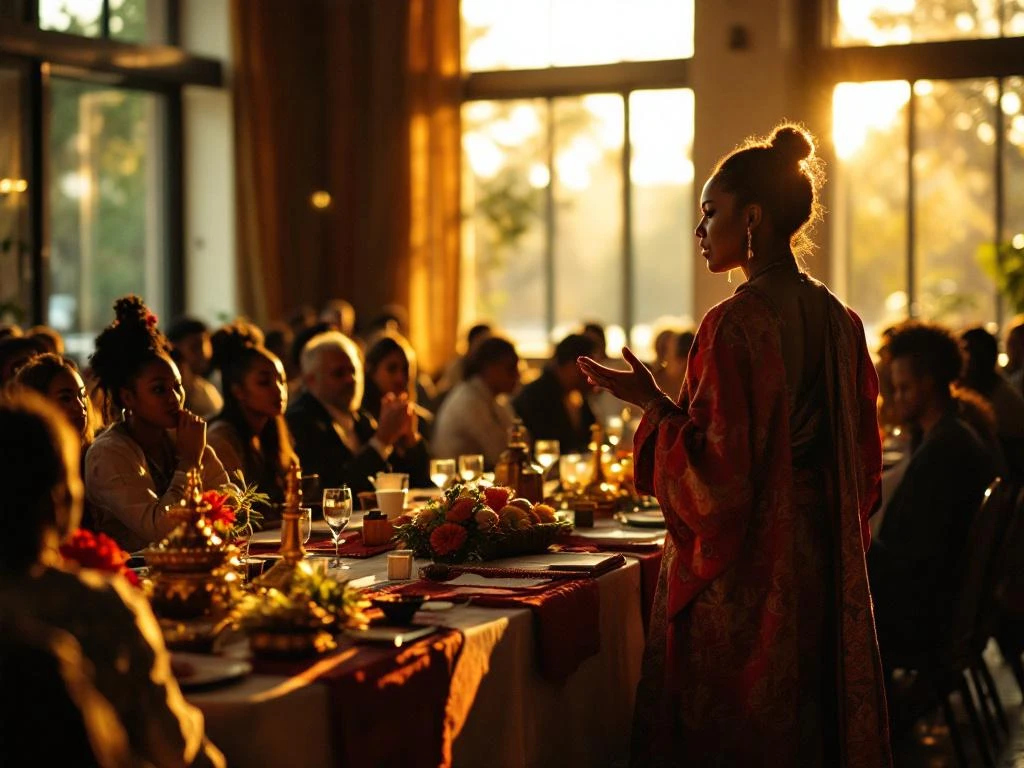
Event hosts adapt to different cultural audiences by modifying their communication style, content delivery, and engagement approach to respect cultural norms and expectations. This includes adjusting humour styles, understanding hierarchy preferences, and recognising participation patterns. Successful cultural adaptation requires thorough preparation, awareness of key cultural factors, and flexibility during live events to ensure meaningful connections with diverse audiences.
What does cultural adaptation mean for event hosts?
Cultural adaptation for event hosts means consciously adjusting presentation style, content delivery, and audience interaction to align with specific cultural values and communication preferences. This involves understanding how different cultures perceive authority, humour, time, and participation in professional settings.
A corporate event host must recognise that what works brilliantly with one cultural group may fall flat or even offend another. For instance, American audiences often appreciate direct, energetic presentations with interactive elements, while Japanese audiences may prefer more formal, respectful approaches that honour hierarchy and allow for thoughtful consideration.
This adaptation extends beyond language translation. It encompasses understanding non-verbal communication, appropriate levels of formality, and cultural attitudes towards questioning authority or speaking up in group settings. The goal is to create an environment where all attendees feel comfortable, respected, and engaged according to their cultural framework.
How do event hosts research different cultural audiences beforehand?
Event hosts research cultural audiences through direct consultation with local team members, studying cultural business etiquette guides, and reviewing previous event feedback from similar cultural groups. This preparation phase typically occurs several weeks before the event to allow adequate time for content and approach adjustments.
Effective research begins with understanding the audience composition. An event presenter should identify which countries, regions, or cultural backgrounds will be represented and in what proportions. This information helps determine whether to adapt for one primary culture or create a more universally inclusive approach.
Key research areas include communication styles (direct versus indirect), hierarchy expectations, appropriate humour boundaries, religious considerations, and business etiquette norms. Many hosts also research recent cultural events or sensitivities that might influence audience mood or receptivity. Speaking with local colleagues or cultural consultants provides invaluable insights that written guides cannot capture.
What are the most important cultural factors hosts need to consider?
The most critical cultural factors include communication directness, hierarchy respect, humour appropriateness, time perception, and participation expectations. These elements fundamentally shape how audiences receive and respond to event content, making them essential considerations for any event moderation strategy.
Communication styles vary dramatically across cultures. Northern European and North American audiences often appreciate direct, straightforward communication, while many Asian and Middle Eastern cultures favour more indirect approaches that preserve dignity and avoid confrontation. Understanding these preferences helps hosts frame messages appropriately.
Hierarchy expectations significantly impact audience interaction. Some cultures expect formal recognition of seniority and status, while others embrace egalitarian approaches. Time perception also varies – punctuality expectations, agenda flexibility, and break preferences differ considerably between cultures. Participation levels range from cultures that encourage active questioning to those where public speaking may be uncomfortable or inappropriate.
How do hosts adapt their communication style for different cultures?
Hosts adapt communication by adjusting their speaking pace, level of directness, degree of formality, and interaction style to match cultural preferences. This includes modifying body language, eye contact patterns, and vocal tone to create comfort and connection with diverse audiences.
For high-context cultures like Japan or Arab countries, an event host might speak more slowly, use more formal language, and allow longer pauses for processing. They may also incorporate more storytelling and contextual information rather than jumping directly to key points. Conversely, low-context cultures like Germany or the Netherlands often prefer concise, direct communication with clear takeaways.
Physical presentation also requires adjustment. Some cultures view direct eye contact as respectful and engaging, while others may find it aggressive or inappropriate. Hand gestures, personal space, and even clothing choices can impact audience reception. Successful hosts develop a repertoire of presentation styles they can deploy based on audience composition and cultural context.
What mistakes do event hosts commonly make with cultural audiences?
Common mistakes include using inappropriate humour, misunderstanding hierarchy expectations, ignoring religious considerations, and making assumptions about participation styles. These errors can create discomfort, reduce engagement, and potentially damage business relationships with international attendees.
Humour represents the biggest risk area for many hosts. Self-deprecating jokes that work well in British contexts may confuse audiences from cultures that value authority and expertise. Similarly, casual references to alcohol, food, or social situations may inadvertently exclude or offend attendees with different religious or cultural practices.
Another frequent mistake involves forcing participation styles that do not match cultural norms. Pushing for immediate verbal responses in cultures that value thoughtful consideration can create anxiety rather than engagement. Hosts sometimes also fail to recognise power-distance expectations, treating senior executives too casually or junior staff too formally based on their own cultural framework rather than the audience’s expectations.
Hoe Boom for Business helpt met culturele aanpassing voor event hosting
We provide culturally adapted event hosting services that draw from our extensive international experience working with global corporations across diverse cultural contexts. Our hosts understand how to navigate cultural nuances while maintaining the energy and professionalism that make events memorable and effective.
Our approach includes:
- Pre-event cultural consultation to understand audience composition and expectations
- Customised presentation styles adapted to specific cultural communication preferences
- Flexible humour approaches that respect cultural boundaries while maintaining engagement
- International experience from working with multinational teams and diverse audiences
- Real-time adaptation skills developed through improvisation training and cultural awareness
Ready to ensure your next international event resonates with every attendee? Contact us to discuss how our culturally aware event hosting can create meaningful connections across diverse audiences while delivering your key messages with impact and respect.
Frequently Asked Questions
How far in advance should I start preparing for a culturally diverse event?
Begin cultural preparation at least 4-6 weeks before your event to allow adequate time for research, content adaptation, and consultation with cultural experts. This timeline enables you to gather detailed audience demographics, adjust your presentation materials, and practice modified delivery styles without rushing the process.
What should I do if my audience includes multiple different cultures?
Focus on creating a universally inclusive approach that avoids culturally specific references while incorporating respectful elements from represented cultures. Use neutral humour, provide multiple participation options (verbal, written, digital), and acknowledge the diversity in your opening remarks to set an inclusive tone.
How can I handle unexpected cultural reactions during a live event?
Stay calm and observe audience body language for signs of discomfort or disengagement. Have backup content ready that's more culturally neutral, and don't hesitate to pause and ask for feedback if something isn't landing well. Acknowledge cultural differences openly and adjust your approach in real-time.
Are there any universal cultural 'safe zones' I can rely on?
Focus on professional achievements, shared business goals, and industry-specific challenges as these topics generally transcend cultural boundaries. Avoid personal topics, political references, religious mentions, and culture-specific analogies. Stories about overcoming professional challenges or celebrating team successes tend to resonate across cultures.
What's the best way to encourage participation from quieter cultural groups?
Offer multiple participation formats including anonymous digital polling, small group discussions, written questions, and longer thinking time before responses. Some cultures prefer contributing through technology or in smaller settings rather than speaking up in large groups, so provide these alternatives throughout your event.
How do I know if my cultural adaptation is working during the event?
Watch for positive body language, appropriate laughter at humorous moments, active note-taking, and engagement with your participation requests. If you notice crossed arms, lack of eye contact, or minimal response to interaction attempts, consider shifting to a more formal or culturally neutral approach.
Should I learn basic phrases in my audience's native language?
Learning simple greetings or thank you phrases can show respect and effort, but avoid attempting complex concepts in unfamiliar languages as mispronunciation can be distracting or embarrassing. Instead, focus on clear, well-paced English and consider having key terms or concepts displayed visually for better comprehension.