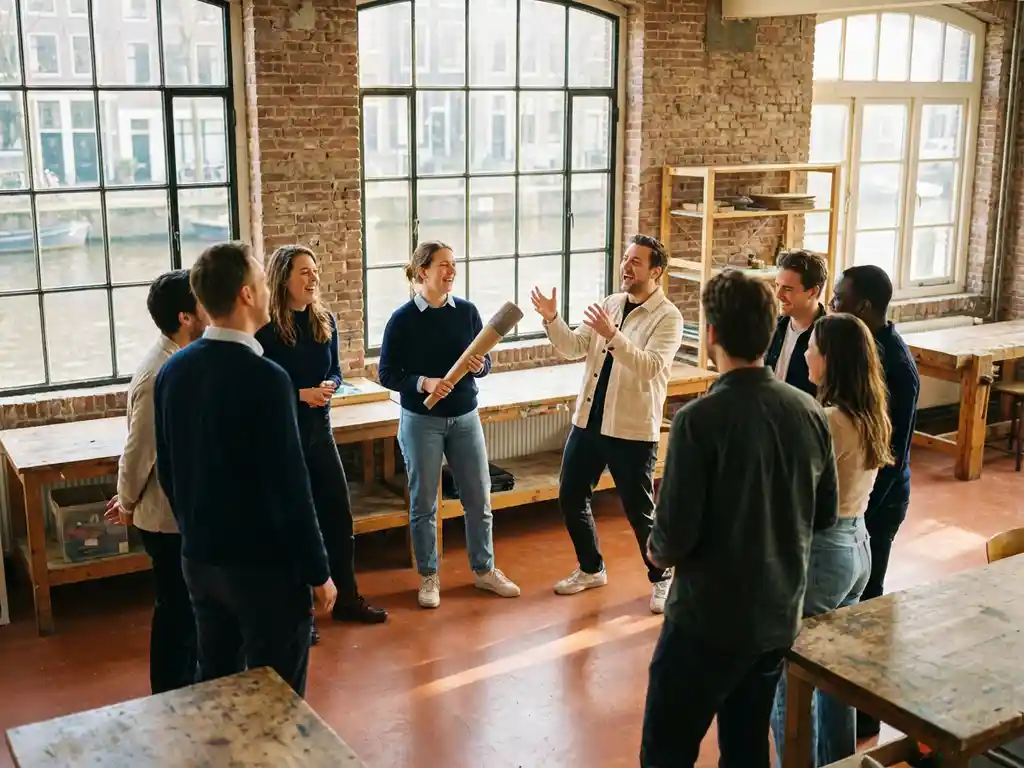
Most employee engagement workshops follow a predictable pattern: a facilitator talks, employees sit, and everyone leaves wondering why they just spent two hours watching slides. The result is low retention, minimal behavior change, and a growing sense among teams that workshops are just another box to tick. If you are responsible for team development or internal communications, you already know this feeling well.
The good news is that a well-designed employee engagement workshop can genuinely shift how people communicate, collaborate, and connect. The key is choosing formats that are interactive, memorable, and rooted in real skill-building rather than surface-level fun. Below are 11 fresh employee engagement workshop ideas that go beyond the usual trust falls and icebreakers, each designed to address a specific workplace challenge.
Why most employee engagement workshops fall flat
The core problem with most team engagement workshops is that they prioritize comfort over challenge. Passive formats, generic content, and one-size-fits-all activities rarely translate into lasting change because they do not ask participants to do anything differently. Engagement requires active participation, not passive observation.
Research consistently shows that people retain far more information when they learn by doing. Workshops that combine skill practice with genuine interaction, humor, and real-world application create stronger memory anchors. The 11 ideas below are built on that principle. Each addresses a specific pain point, from communication fatigue to siloed departments, and each puts participants in the driver’s seat.
1: Improv comedy for real-time communication skills
Improv comedy workshops teach the foundational skill of listening before responding—one of the most underrated communication abilities in any workplace. The famous “yes, and” principle forces participants to accept what a colleague offers and build on it, rather than blocking or redirecting. This directly improves real-time dialogue, meeting dynamics, and collaborative problem-solving.
These sessions work especially well for teams that struggle with defensive communication or where conversations tend to shut down quickly. The playful format lowers psychological barriers, making it easier for participants to take conversational risks they would normally avoid. The skills transfer directly to presentations, negotiations, and everyday team interactions.
2: Storytelling workshops that make messages stick
Storytelling workshops help employees move beyond data dumps and bullet points to craft messages that actually land. Participants learn how to structure a narrative, identify the emotional core of a message, and deliver it in a way that resonates with a specific audience. This is particularly valuable for leaders, project managers, and anyone responsible for communicating change.
A strong storytelling workshop goes beyond theory. Participants practice writing and delivering short stories based on real workplace scenarios, then receive structured feedback. The result is a team that can translate complex information into clear, compelling communication, reducing the noise that contributes to information overload.
3: Sketch comedy writing for team creativity
Sketch comedy writing is one of the most underused corporate team-building workshop formats for unlocking creative thinking. Teams work together to develop short, humorous scenes around a workplace theme, which requires them to brainstorm freely, build on each other’s ideas, and make quick decisions as a group. The creative constraint of comedy can actually accelerate innovative thinking.
This format works particularly well for teams that have fallen into routine thinking or where meetings tend to recycle the same ideas. The low-stakes environment of comedy writing gives people permission to suggest the unexpected, which often leads to genuinely useful creative breakthroughs beyond the workshop itself.
4: Panel facilitation training for inclusive dialogue
Many internal events and town halls fail not because of bad content, but because of poor facilitation. Panel facilitation training teaches employees how to moderate discussions in a way that draws out quieter voices, manages dominant speakers, and keeps the conversation focused and productive. These are skills that improve every meeting, not just formal panels.
Participants practice live facilitation exercises with real-time coaching, learning to read the room, ask better questions, and create space for genuine dialogue. For organizations dealing with siloed departments or top-down communication cultures, this workshop builds the internal capability to have more honest, inclusive conversations at every level.
5: Change management communication workshops
Change management communication workshops address one of the most common sources of organizational friction: the gap between what leadership thinks it has communicated and what employees actually understand. These workshops help managers and internal communicators craft clear, consistent messages that support rather than undermine change initiatives.
Participants work through real scenarios, practicing how to deliver difficult updates, respond to resistance, and maintain trust during uncertainty. The focus is on building a communication toolkit that managers can use independently, reducing the burden of having every message filtered through a single channel. This directly supports organizations navigating strategic transformation or cultural shifts.
6: Cross-departmental collaboration challenges
Cross-departmental collaboration challenges are structured activities that deliberately mix employees from different teams to solve a shared problem. Unlike generic team-building games, these workshops use real organizational challenges as the raw material, making the learning immediately applicable. Participants experience firsthand how different departments think and what barriers prevent effective cooperation.
The format is particularly effective for large organizations where siloed thinking has become the default. When a finance professional and a marketing manager work through the same challenge together, they develop a practical understanding of each other’s constraints and priorities. That shared experience carries back into day-to-day collaboration in a way that a presentation about cross-functional teamwork never could.
7: Hosting skills masterclass for internal events
A hosting skills masterclass equips employees with the confidence and technique to lead internal events, town halls, and presentations with genuine energy and authority. Most people can speak in front of a group, but few know how to hold a room, manage unexpected moments, or create an atmosphere where people actually want to participate.
This type of interactive workshop draws directly from performance and comedy techniques, teaching participants how to use timing, tone, and presence to keep audiences engaged. For organizations that rely on internal events to communicate strategy or culture, having skilled internal hosts makes a measurable difference in how messages are received and remembered.
8: Feedback culture workshops using game formats
Feedback culture workshops use structured game formats to make the practice of giving and receiving feedback feel less threatening and more natural. Games create a low-stakes environment where participants can experience the mechanics of good feedback—specific, timely, and behavior-focused—without the emotional weight of a formal performance conversation.
Teams that complete these workshops report that everyday feedback conversations become noticeably easier afterward. The game format also reveals patterns in how teams communicate, which gives facilitators and managers useful insight into where communication habits need the most attention. This is one of the most practical workplace engagement ideas for teams where feedback avoidance has become a cultural norm.
9: Video storytelling for internal communications
Video storytelling workshops teach teams how to plan, script, and deliver short video content for internal communications. As remote and hybrid work becomes standard, the ability to communicate effectively through video is no longer optional. These workshops focus on narrative structure, on-camera presence, and the practical skills needed to produce content that colleagues will actually watch.
Participants leave with a working knowledge of how to translate written messages into engaging video formats, reducing reliance on long email chains that contribute to communication fatigue. For internal communications teams, this workshop builds a distributed capability across the organization rather than concentrating video production in a single team.
10: Comedy roast format for team recognition
A comedy roast format for team recognition takes the traditional employee appreciation event and turns it into something people genuinely look forward to. Done well, a workplace roast celebrates individuals through affectionate humor, highlighting their quirks and contributions in a way that feels personal and memorable rather than generic.
This format requires careful facilitation to ensure the humor stays inclusive and kind, but when executed correctly, it creates some of the strongest moments of team connection in any employee engagement program. It works best for teams with an established sense of psychological safety and a shared culture of humor. The result is recognition that sticks long after the event.
11: Hybrid engagement workshops for remote teams
Hybrid engagement workshops are specifically designed to create equal participation for both in-person and remote attendees—a challenge that most standard workshop formats fail to solve. These sessions use structured facilitation techniques, digital collaboration tools, and activity designs that give remote participants the same level of involvement as those in the room.
As organizations continue to operate across multiple locations and time zones, the ability to run genuinely engaging hybrid sessions is a critical capability. These workshops not only deliver their specific learning objectives but also model best practices for hybrid facilitation that teams can apply to their regular meetings and events going forward.
Choosing the right workshop for your team’s needs
Selecting the right employee engagement workshop starts with identifying the specific challenge you want to address. If your team struggles with communication clarity, storytelling or improv workshops offer the most direct impact. If cross-departmental friction is the issue, collaboration challenges or panel facilitation training will be more relevant. Matching the format to the root problem is what separates a workshop that creates real change from one that simply fills an afternoon.
Consider also your team’s existing culture. Some groups will take naturally to comedy-based formats, while others may need a gentler entry point. A skilled facilitator can adapt the format to meet your team where they are, ensuring the experience feels relevant and accessible rather than forced.
How Boom For Business helps with employee engagement workshops
We bring over 30 years of expertise in improvisation, storytelling, and comedy to every workshop we design. Our Masterclass Workshops are built around the same methodologies that have made Boom Chicago one of the world’s most respected comedy theaters, now applied directly to the challenges organizations face every day. Here is what working with us looks like in practice:
- Every workshop is customized to your team’s specific communication challenges, culture, and goals, so participants work on what actually matters to them.
- Our facilitators combine professional comedy experience with a deep understanding of corporate environments, creating sessions that are both genuinely fun and practically useful.
- We cover the full range of engagement needs, from improv and storytelling masterclasses to hosting skills, feedback culture, and hybrid facilitation.
- Workshops are available for teams across the Netherlands and internationally, with options for in-person, remote, and hybrid delivery.
- Participants leave with concrete tools they can apply immediately—not just a good experience that fades by Monday morning.
Whether you are looking to energize a team that has gone quiet, sharpen communication ahead of a major change initiative, or simply create a more connected and engaged workplace culture, we have a workshop format designed for your situation. Explore our Masterclass Workshops and team building programs, discover how we support positive culture within organizations, or visit Boom For Business to find out how we can help your team engage, communicate, and collaborate at their best.
Frequently Asked Questions
How long should an employee engagement workshop typically last to be effective?
The ideal duration depends on the workshop format and your team's goals, but most high-impact sessions run between 90 minutes and half a day. Shorter sessions (90–120 minutes) work well for focused skill-building topics like improv communication or feedback culture, while more complex formats like cross-departmental collaboration challenges or storytelling workshops benefit from a half-day structure that allows for deeper practice and reflection. Avoid stretching a workshop beyond its natural length just to fill time — a tightly designed two-hour session will consistently outperform a padded full-day event.
How do we get buy-in from employees who are skeptical about workshops?
The most effective way to overcome skepticism is to be transparent about what the workshop is — and what it is not. Communicate clearly that participants will be doing something practical and relevant, not sitting through slides or being forced into uncomfortable activities. Framing the session around a specific, recognizable workplace challenge (rather than vague concepts like 'engagement' or 'culture') also helps, because it signals that the time investment has a real purpose. When possible, share brief testimonials or outcomes from previous sessions to give skeptics a concrete sense of what to expect.
What is the best way to measure whether an employee engagement workshop actually worked?
Effective measurement starts before the workshop, not after it. Define two or three specific behavioral outcomes you want to see change — for example, more balanced participation in meetings, an increase in peer feedback conversations, or clearer messaging in internal communications. After the workshop, use a combination of short pulse surveys, manager observations, and follow-up check-ins at the 30- and 60-day marks to assess whether those behaviors have shifted. Avoid relying solely on end-of-session satisfaction scores, which measure enjoyment rather than impact.
Can these workshop formats work for large teams or company-wide events?
Yes, most of these formats scale effectively with the right facilitation design. For larger groups, the key is breaking participants into smaller working units — typically teams of 6 to 10 — so that everyone remains actively involved rather than becoming a passive observer. Formats like improv, storytelling, and sketch comedy writing are particularly well-suited to large-group settings because they naturally lend themselves to small-group breakouts followed by shared presentations. A skilled facilitator will structure the session so that scale enhances the energy rather than diluting the experience.
How do we choose between running an in-person versus a hybrid workshop format?
Choose in-person when your primary goal is deep relationship-building or when the team has limited experience with collaborative workshop formats — the shared physical environment accelerates trust and spontaneity. Opt for a hybrid format when your team is geographically distributed, or when including remote participants is a non-negotiable equity issue. The critical factor is not the format itself but the facilitation design: a hybrid session that is not specifically engineered for equal participation will almost always favour those in the room and disengage remote attendees, so purpose-built hybrid facilitation is essential.
What are the most common mistakes companies make when planning employee engagement workshops?
The three most frequent mistakes are choosing a workshop based on what sounds fun rather than what addresses a real problem, neglecting follow-up after the session, and underestimating the importance of facilitation quality. A well-chosen topic delivered by an underprepared facilitator will underperform every time, and even the best workshop loses its impact without a structured plan for reinforcing the skills afterward. Building in at least one follow-up touchpoint — a team debrief, a short practice challenge, or a manager check-in — significantly increases the likelihood that new behaviors actually take hold.
How often should a company run employee engagement workshops to see lasting cultural change?
A single workshop, no matter how well-designed, is rarely sufficient to drive lasting cultural change on its own. For sustainable impact, think in terms of a program rather than a one-off event — a series of connected sessions spaced over three to six months, each building on the skills introduced in the previous one, tends to produce far more durable results. That said, a single well-executed workshop can serve as a powerful catalyst that shifts team energy, surfaces important conversations, and creates momentum for broader change, especially when it is paired with intentional follow-through from leadership.
Related Articles
- 9 ways to tell your brand story that go beyond the company website
- How do you deliver an elevator pitch when you only have 60 seconds?
- How does team building work for remote teams?
- When is a team workshop the wrong solution for a communication problem?
- How does professional event hosting reduce event planning stress?