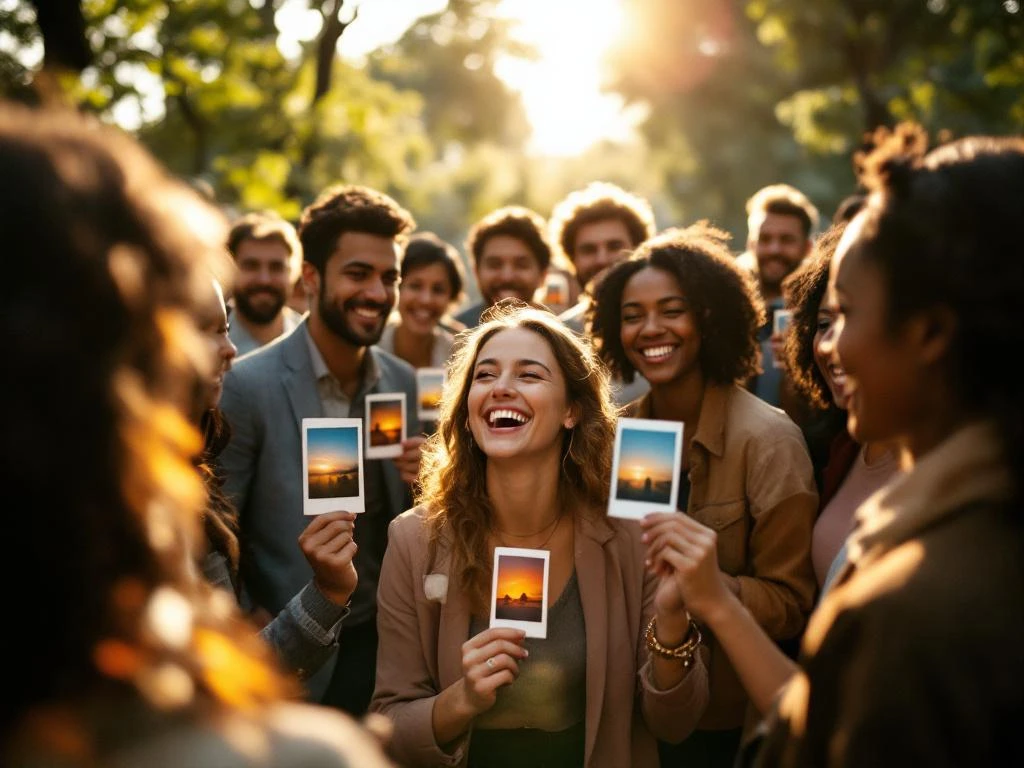
Themed team building photo challenges are interactive activities where teams complete creative photography tasks based on specific themes or prompts. These challenges combine collaboration, creativity, and friendly competition to strengthen workplace relationships while encouraging communication and problem-solving. Teams typically receive a list of themed photo objectives to capture within a set timeframe, promoting teamwork through shared creative experiences.
What are themed team building photo challenges?
Themed team building photo challenges are structured activities where teams work together to capture photographs based on predetermined themes, scenarios, or creative prompts. These team building activities transform ordinary photography into collaborative experiences that require communication, planning, and creative thinking from all participants.
The format typically involves dividing larger groups into smaller teams and providing each team with a list of photo challenges or themes to complete within a specified time period. Themes can range from simple office-based scavenger hunts to complex storytelling challenges that require teams to create narrative sequences through photography.
What makes these challenges particularly effective is their ability to break down traditional workplace hierarchies. When colleagues work together to stage creative photos or hunt for specific themed shots, they interact in ways that differ completely from their usual professional roles. This creates opportunities for natural relationship building while accomplishing a shared creative goal.
The collaborative nature emerges through the planning process itself. Teams must discuss ideas, assign roles, coordinate timing, and make collective decisions about how to interpret each theme creatively. This process naturally develops communication skills while creating memorable shared experiences that extend beyond the challenge itself.
Why do photo challenges work so well for team building?
Photo challenges excel at team building because they create low-pressure environments where colleagues can interact authentically while working towards common creative goals. The visual nature of photography encourages participation from team members with different communication styles and strengths, making these activities naturally inclusive.
The psychological benefits stem from the combination of creativity and collaboration required. When teams brainstorm how to interpret themes or stage photos, they engage in creative problem-solving that differs from typical work tasks. This shift in thinking patterns helps colleagues see each other’s creative abilities and different perspectives, building mutual respect and understanding.
Photography challenges also create immediate, tangible results that teams can review and celebrate together. Unlike many team building exercises that exist only in memory, photo challenges produce lasting visual reminders of successful collaboration. Teams often find themselves laughing and bonding over the creative solutions they develop together.
The format naturally accommodates different personality types. Introverted team members might excel at behind-the-scenes planning and creative direction, while extroverted colleagues might enjoy being photographed or directing group shots. This allows everyone to contribute meaningfully without forcing anyone into uncomfortable roles.
Most importantly, these challenges build communication skills through necessity rather than forced exercises. Teams must discuss ideas, coordinate logistics, and make group decisions quickly, developing natural collaboration rhythms that transfer to workplace situations.
What types of themed photo challenges can teams try?
Office-based scavenger hunt themes work well for teams wanting to stay within familiar environments. These might include capturing photos of specific office locations, recreating famous movie scenes using office props, or documenting different departments in creative ways that showcase their unique functions.
Seasonal themes provide natural creative frameworks that teams can interpret in multiple ways. Autumn challenges might involve capturing team photos with fall colours, creating harvest-themed compositions, or staging photos that represent seasonal changes. These themes work particularly well because they connect workplace activities to broader cultural experiences.
Storytelling challenges push teams to create narrative sequences through photography. Teams might receive a basic story prompt and need to tell that story through a series of photos, requiring more complex planning and coordination. These fun team building activities often produce the most memorable results because teams invest more creative energy in developing their narratives.
City exploration themes work excellently for teams comfortable with outdoor activities. Teams might receive lists of local landmarks to photograph creatively, specific neighbourhood themes to explore, or cultural elements to capture that represent their city’s character. These challenges combine team building with local discovery.
Department showcase themes encourage teams to photograph different areas of their organisation in creative ways, helping colleagues understand and appreciate different roles within the company. Teams might need to capture the essence of various departments, interview colleagues for photo stories, or document workplace processes creatively.
Abstract concept themes challenge teams to represent ideas like “teamwork,” “innovation,” or “growth” through creative photography. These require more discussion and creative interpretation, making them excellent for teams wanting to engage in deeper collaborative thinking.
How do you organise a successful team building photo challenge?
Start by establishing clear objectives for your photo challenge that align with your team building goals. Determine whether you want to focus on communication, creativity, problem-solving, or relationship building, then design your themes and rules to support these objectives.
Choose appropriate themes based on your team size, location, and comfort levels. Consider factors like weather, available locations, time constraints, and any mobility or accessibility needs within your group. Themes should be challenging enough to require collaboration but achievable within your timeframe.
Establish clear rules and guidelines before starting. Specify time limits, boundaries for where teams can go, safety requirements, and any restrictions on photo content. Provide teams with the same resources, whether that means smartphones, cameras, or props, to ensure fair participation.
Create diverse teams that mix different departments, skill levels, and personality types. This encourages new relationship building and prevents existing friend groups from dominating the activity. Aim for team sizes of 3–5 people to ensure everyone can participate meaningfully.
Plan your timeline carefully, allowing enough time for creative thinking and execution while maintaining energy and engagement. Include time for teams to review and share their photos at the end, as this sharing and celebration phase often provides the most valuable team building moments.
Prepare backup plans for weather or logistical issues, especially if your challenge involves outdoor locations. Have alternative indoor themes ready and consider how you’ll handle technical difficulties with cameras or phones.
What should teams avoid when running photo challenges?
Avoid overly competitive elements that might undermine the collaborative spirit of the activity. While friendly competition can motivate teams, focusing too heavily on winning and losing can create stress and exclude team members who feel less confident about their creative abilities.
Privacy concerns require careful consideration when planning photo challenges. Establish clear guidelines about photographing colleagues, customers, or sensitive workplace areas. Ensure all participants consent to being photographed and understand how images will be used or shared afterward.
Steer clear of themes that might exclude team members based on cultural background, physical abilities, or personal comfort levels. Avoid themes requiring specific cultural knowledge, physical activities that not everyone can participate in, or scenarios that might make some colleagues uncomfortable.
Don’t underestimate the time required for creative collaboration. Teams need adequate time to discuss ideas, plan their approach, and execute their photos. Rushing the process eliminates many of the communication and relationship-building benefits that make photo challenges effective.
Avoid logistical oversights that can derail the activity. Consider factors like phone battery life, weather conditions, accessibility of locations, and backup plans for technical difficulties. Poor planning can turn enjoyable activities into frustrating experiences.
Resist the urge to over-structure the creative process. While clear guidelines are important, micromanaging how teams interpret themes or execute their ideas eliminates the creative problem-solving that makes these challenges valuable for team development.
How boom for business helps with team building photo challenges
We specialise in creating engaging team building experiences that combine professional event management with creative activities like themed photo challenges. Our approach transforms traditional team building into dynamic experiences that foster genuine collaboration while exploring Amsterdam’s vibrant locations.
Our comprehensive photo challenge services include:
- Custom theme development tailored to your team’s objectives and company culture
- Professional hosting and facilitation to ensure smooth execution and maximum engagement
- Strategic location planning throughout Amsterdam or at your preferred venues
- Complete logistical support including equipment, timing, and safety coordination
- Expert guidance that balances structure with creative freedom for optimal team building results
Drawing from over 30 years of experience creating memorable corporate experiences, we understand how to design photo challenges that genuinely strengthen workplace relationships while providing entertainment value. Our business-friendly approach ensures activities remain professional while encouraging authentic team connections.
Ready to create engaging team building experiences that your colleagues will remember? Contact us to discuss how our photo challenges and other team building activities can strengthen your team dynamics through creative collaboration and shared adventures.
Frequently Asked Questions
How long should a team building photo challenge last?
Most effective photo challenges run between 2-4 hours, allowing 90 minutes for photo capturing and 30-60 minutes for sharing and reviewing results. This timeframe provides enough creative time without causing fatigue, while the sharing session at the end often creates the most valuable bonding moments.
What equipment do teams need for photo challenges?
Smartphones are typically sufficient for most team building photo challenges, as they're accessible to everyone and produce quality results. If using company equipment, ensure all teams have equal access to cameras, and consider providing backup phone chargers or portable batteries for longer challenges.
How do you handle team members who feel uncomfortable being photographed?
Assign alternative roles like creative director, photographer, or prop coordinator to team members who prefer staying behind the camera. Design themes that include both group shots and individual creative photography, ensuring everyone can contribute meaningfully regardless of their comfort level with being photographed.
What's the best way to judge or evaluate photo challenge results?
Focus on participation and creativity rather than technical photography skills. Consider categories like 'most creative interpretation,' 'best teamwork,' or 'most fun approach' rather than 'best photo.' This keeps the emphasis on collaboration and ensures all teams feel recognized for their efforts.
How can remote or hybrid teams participate in photo challenges?
Create location-flexible themes that teams can interpret from their home offices or local areas, then share results via video calls. Consider asynchronous challenges where teams have several days to complete themes, followed by virtual sharing sessions where everyone presents their creative solutions.
What should you do if teams finish their photo challenges at different times?
Build flexibility into your timeline and prepare optional bonus challenges for faster teams. Use the waiting time productively by having completed teams help with setup for the sharing session or engage in informal discussions about their creative process with other finished teams.
How do you ensure photo challenges remain inclusive for diverse teams?
Test your themes with diverse perspectives before implementation, avoid culturally specific references, and ensure physical accessibility for all locations. Provide multiple ways to participate in each theme and consider dietary restrictions or religious considerations when planning any food-related photo challenges.
Related Articles
- 11 leadership skills training outcomes that improve team performance measurably
- How do you combine learning with fun in team building?
- 7 team workshop structures that create lasting behavioral change
- What should a team workshop achieve in the first two hours?
- How do you create memorable team building experiences?