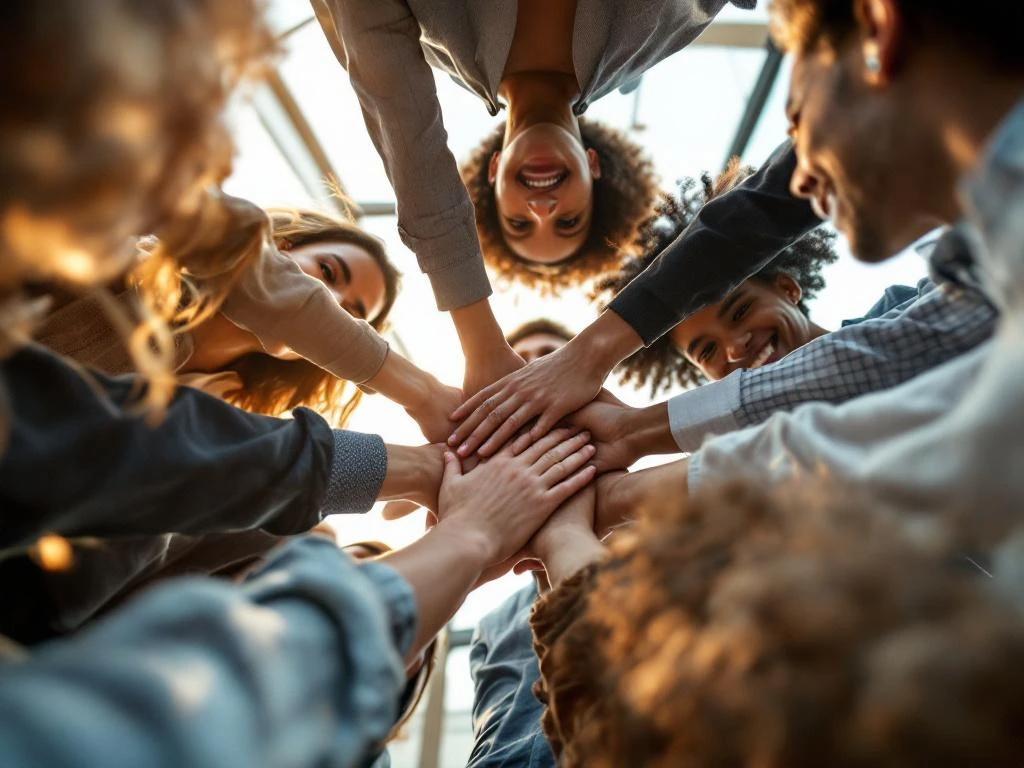
Collaborative team building exercises are structured activities that require group members to work together towards shared goals, emphasizing cooperation over competition. Unlike traditional team building that often focuses on individual performance, these exercises create genuine interdependence where success depends on collective effort, communication, and mutual support. They build stronger workplace relationships, improve problem-solving skills, and foster a culture of collaboration that extends beyond the activity itself.
What are collaborative team building exercises and why do they matter?
Collaborative team building exercises are structured group activities designed to strengthen workplace relationships through shared problem-solving, creative challenges, and interactive experiences. These activities require participants to combine their skills, knowledge, and perspectives to achieve common objectives, creating natural opportunities for connection and understanding.
The fundamental difference lies in their approach to participation. Traditional team building often involves competitive elements or individual spotlights, while collaborative exercises focus entirely on collective success. Every team member’s contribution becomes essential, creating an environment where people naturally support each other and appreciate diverse strengths.
These exercises matter because they address core workplace challenges that affect productivity and job satisfaction. When teams struggle with communication breakdowns, departmental silos, or low engagement, collaborative activities provide a safe space to practice better working relationships. The skills developed during fun team building exercises—active listening, creative problem-solving, and constructive feedback—transfer directly to daily work situations.
The impact extends beyond immediate team dynamics. Organizations that regularly invest in collaborative team building activities often see improved employee retention, increased innovation, and stronger organizational culture. People who feel genuinely connected to their colleagues are more likely to communicate openly, share ideas freely, and support each other during challenging projects.
How do collaborative team building exercises improve workplace communication?
Collaborative team building exercises improve workplace communication by creating low-pressure environments where people practice essential communication skills while working towards shared goals. These activities break down formal hierarchies and departmental barriers, allowing natural conversations and relationship-building that enhance ongoing workplace interactions.
The structured nature of these exercises addresses common communication challenges systematically. Participants must listen actively to understand different perspectives, articulate ideas clearly to contribute effectively, and provide constructive feedback to help the group succeed. Unlike workplace meetings where communication patterns are often established, team building activities encourage fresh interactions and new communication dynamics.
Cross-departmental understanding improves significantly when people work together on neutral challenges. Marketing professionals gain appreciation for operational constraints, while technical teams better understand customer-facing pressures. These insights create more empathetic and effective communication in regular work situations.
Non-verbal communication skills also develop naturally during collaborative activities. People learn to read group energy, recognize when someone needs support, and adjust their communication style to match the situation. These subtle skills prove invaluable during presentations, negotiations, and day-to-day interactions.
The informal nature of team building exercises allows quieter team members to contribute in ways that showcase their strengths, while more dominant personalities learn to create space for others. This balanced participation often carries forward into workplace meetings and project discussions.
What types of collaborative team building exercises work best for different teams?
The most effective collaborative team building exercises match your team’s size, industry context, and specific development needs. Problem-solving activities work well for analytical teams, creative challenges suit design-oriented groups, and communication games benefit teams struggling with information sharing or cross-departmental coordination.
For small teams of 5–10 people, intimate activities like collaborative storytelling, shared puzzle-solving, or creative projects allow everyone to contribute meaningfully. These fun team building exercises create opportunities for deeper connections and detailed collaboration skills development.
Larger teams benefit from activities that can accommodate multiple small groups working towards interconnected goals. Photo challenges, scavenger hunts, or multi-stage problem-solving exercises allow broader participation while maintaining the collaborative element essential for team bonding.
Industry-specific considerations matter significantly. Technical teams often respond well to logic-based challenges that mirror their work environment, while sales teams might prefer activities involving persuasion and relationship-building. Creative industries benefit from artistic collaborations, whereas operational teams excel at process-improvement exercises.
Trust-building exercises prove particularly valuable for new teams or groups experiencing conflict. These activities focus on vulnerability, support, and reliability—foundational elements for effective collaboration. Communication games work especially well for teams with diverse backgrounds or remote workers who need stronger connection points.
Consider your team’s current challenges when selecting activities. Teams struggling with decision-making benefit from consensus-building exercises, while groups lacking creativity respond well to imaginative challenges that encourage innovative thinking.
How do you measure the success of collaborative team building activities?
Success measurement combines immediate participant feedback with longer-term behavioral observations and workplace performance indicators. Effective evaluation tracks both the enjoyment factor and practical skill development, ensuring team building activities deliver genuine value rather than just entertainment.
Immediate feedback collection through post-activity surveys captures participants’ experiences while memories remain fresh. Ask specific questions about collaboration quality, communication improvements, and relationship changes rather than general satisfaction ratings. This qualitative data reveals which elements resonated most strongly with your team.
Behavioral observations provide concrete evidence of improved collaboration. Monitor meeting dynamics, cross-departmental project success, and voluntary collaboration increases over the following weeks and months. Teams that benefited from collaborative exercises typically show more inclusive discussions, increased idea-sharing, and proactive peer support.
Workplace performance indicators offer quantitative measurement opportunities. Track project completion times, employee engagement scores, internal communication frequency, and retention rates. While multiple factors influence these metrics, positive trends following team building activities suggest successful outcomes.
Long-term relationship assessment proves particularly valuable. Conduct follow-up surveys 3–6 months later asking about ongoing collaboration improvements, communication comfort levels, and workplace relationship quality. Sustained positive changes indicate genuinely effective team building experiences.
Consider tracking specific skills targeted during activities. If exercises focused on creative problem-solving, monitor innovation metrics. Communication-focused activities should correlate with improved information sharing and reduced misunderstandings.
What common mistakes should you avoid when planning collaborative team building?
The most common mistakes include choosing activities that don’t match team personalities, failing to provide proper facilitation, and treating team building as a one-off event rather than part of ongoing team development. Poor activity selection can actually damage team relationships if participants feel uncomfortable or excluded.
Inadequate facilitation represents a critical failure point. Collaborative exercises require skilled guidance to ensure balanced participation, manage conflicts constructively, and help teams process their experiences meaningfully. Without proper facilitation, activities may reinforce existing problems rather than address them.
Forcing participation or creating high-pressure situations defeats the collaborative purpose. Team building should feel safe and inclusive, allowing people to contribute authentically rather than perform for others. Voluntary engagement produces much better results than mandatory enthusiasm.
Failing to connect activities to workplace applications wastes valuable learning opportunities. Teams need explicit discussion about how collaborative skills transfer to daily work situations. Without this connection, team building remains entertainment rather than development.
Ignoring follow-up represents a significant missed opportunity. The relationships and skills developed during collaborative exercises require reinforcement through ongoing team practices. Schedule regular check-ins and create opportunities to apply new collaboration approaches in work settings.
Choosing overly competitive activities contradicts collaborative objectives. While some friendly competition can energize groups, the primary focus should remain on working together rather than winning against each other.
How Boom for Business helps with collaborative team building
We specialize in creating collaborative team building experiences that combine professional expertise with business-friendly humor, ensuring your team develops genuine collaboration skills while having memorable fun. Our approach draws from over 30 years of experience in entertainment and corporate development, creating activities that resonate with diverse professional audiences.
Our collaborative team building services include:
- Custom-designed collaborative challenges tailored to your team’s specific needs and industry context
- Professional facilitation that ensures balanced participation and meaningful skill development
- Amsterdam-based photo and video challenges that encourage creative collaboration while exploring the city
- Interactive workshops combining improvisation techniques with practical communication skills
- Follow-up resources and strategies to maintain collaborative improvements in your workplace
Our unique background in comedy theatre brings a distinctive advantage to collaborative team building. We understand how to create comfortable environments where people feel safe to participate authentically, take creative risks, and support each other naturally. This expertise ensures your team building investment delivers lasting improvements in workplace collaboration and communication.
Ready to strengthen your team’s collaborative capabilities through engaging, professionally facilitated experiences? Contact us to discuss how our tailored team building activities can address your specific collaboration challenges while creating positive, memorable experiences that bring your team closer together.
Frequently Asked Questions
How long should a collaborative team building session last to be effective?
Most effective collaborative team building sessions run 2-4 hours, allowing enough time for meaningful interaction without causing fatigue. Half-day sessions work well for complex problem-solving activities, while 90-minute sessions suit communication-focused exercises. The key is ensuring sufficient time for both the activity and post-exercise reflection discussions.
What should we do if some team members are resistant to participating in collaborative exercises?
Start by addressing concerns privately and explaining the professional benefits rather than just the fun aspects. Offer observer roles initially, allowing hesitant participants to engage gradually. Focus on low-risk activities first and emphasize that collaboration skills directly impact job performance and career development.
How can remote or hybrid teams benefit from collaborative team building exercises?
Virtual collaborative exercises can be highly effective using online platforms for shared problem-solving, digital escape rooms, or collaborative document creation. The key is ensuring equal participation opportunities and using breakout rooms for small group work. Hybrid teams benefit from activities that connect in-person and remote participants through shared digital tools.
What's the ideal frequency for conducting collaborative team building activities?
Quarterly collaborative sessions work well for most teams, with brief monthly check-ins to reinforce skills. New teams benefit from more frequent initial sessions, while established teams may need less frequent but more advanced activities. The key is consistency rather than intensity—regular practice maintains collaborative momentum better than sporadic intensive sessions.
How do you handle conflicts that arise during collaborative team building exercises?
Address conflicts immediately by pausing the activity and facilitating open discussion about different perspectives. Use conflicts as learning opportunities to practice workplace conflict resolution skills. A skilled facilitator should guide the team through constructive problem-solving techniques that can be applied to future workplace disagreements.
What budget should we expect for professional collaborative team building facilitation?
Professional facilitation typically ranges from €100-300 per participant depending on session length, customization level, and location. While this represents an investment, the long-term benefits in improved productivity, reduced turnover, and enhanced team performance often provide significant ROI. Many companies find that effective team building pays for itself through improved collaboration efficiency.
How can managers reinforce collaborative skills learned during team building in daily work?
Implement regular collaboration check-ins during team meetings, create cross-functional project opportunities, and recognize collaborative behaviors publicly. Use the same communication techniques practiced during team building in workplace discussions. Schedule monthly reflection sessions where teams discuss how they're applying their collaborative skills to current projects.
Related Articles
- What are team building activities for improving listening skills?
- What are the benefits of professional team building hosts?
- How do you design team building for maximum employee engagement?
- 9 team communication habits that make meetings significantly more productive
- Should you hire an external event host or use internal staff?