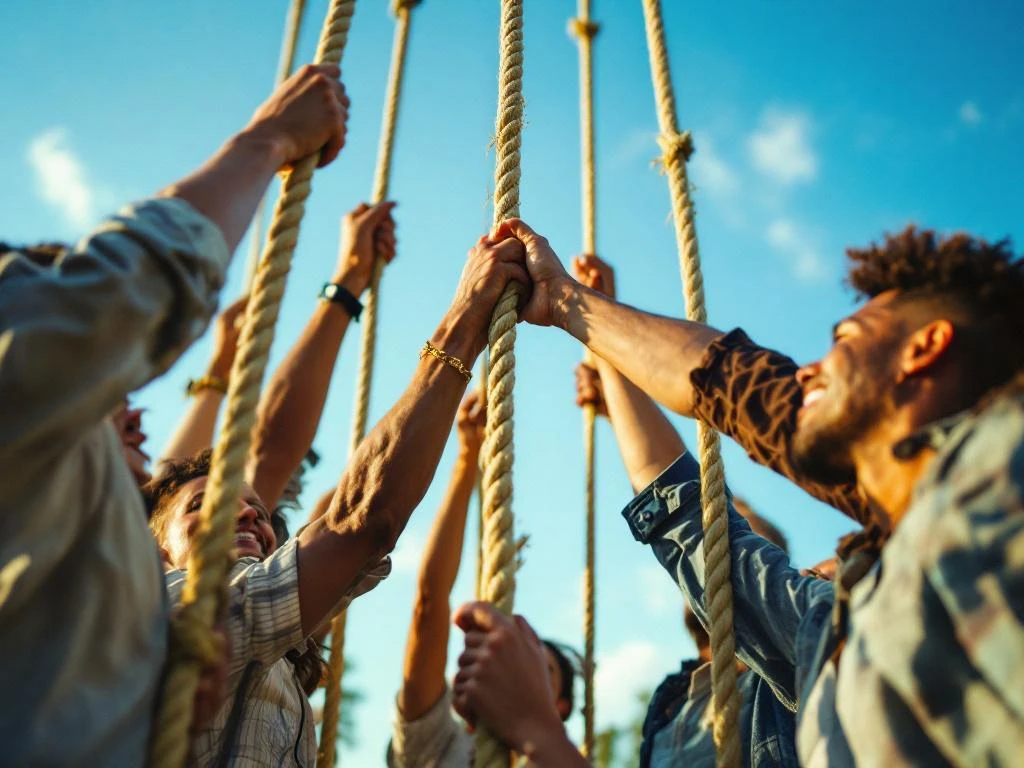
Successful team building events combine clear objectives, engaging activities, and measurable outcomes that strengthen workplace relationships. The most effective events align with organisational goals while ensuring participants feel genuinely involved and motivated. Key elements include appropriate activity selection, professional facilitation, and meaningful follow-up that reinforces team connections beyond the event itself.
What makes a team building event truly successful?
A truly successful team building event creates lasting positive change in how teams communicate and collaborate. The most effective events have clear, measurable objectives that connect directly to workplace challenges and organisational goals.
Participant engagement is the foundation of success. When team members actively participate rather than simply attend, they form genuine connections that translate into better workplace dynamics. This requires activities that feel natural and enjoyable rather than forced or artificial.
Professional facilitation ensures activities run smoothly and achieve their intended outcomes. Skilled facilitators read group dynamics, adapt activities when needed, and guide discussions that help participants reflect on their experiences and apply lessons to their work environment.
The best team building events also take timing and environment into careful consideration. Events scheduled when teams aren’t overwhelmed with deadlines, and held in comfortable settings that encourage interaction, create ideal conditions for meaningful team development.
How do you choose the right team building activities for your group?
Choosing appropriate team building activities requires understanding your team’s specific needs, preferences, and constraints. Team size and composition significantly influence which activities will work best for your group.
Consider personality types within your team. Introverted team members may feel uncomfortable with high-energy, spotlight activities, while extroverted colleagues might find quiet, reflective exercises less engaging. The most effective approach balances different personality preferences through varied activity types.
Physical abilities and accessibility needs must be considered when selecting activities. Fun team building should include everyone, so choose activities that accommodate different mobility levels, ages, and physical capabilities without making anyone feel excluded or uncomfortable.
Budget and time constraints shape your options significantly. Determine whether you need half-day, full-day, or multi-day experiences, and whether activities should be indoor, outdoor, or location-based. Consider travel time and associated costs when planning off-site activities.
Most importantly, align activities with your specific team development goals. Teams struggling with communication need different activities than teams working on creative problem-solving or building trust among new members.
What should you avoid when planning team building events?
The biggest mistake in team building is forced participation in activities that make people genuinely uncomfortable. When team members feel pressured to participate in activities that conflict with their personality or comfort level, the event can damage rather than improve team dynamics.
Avoid activities that feel disconnected from workplace realities. Trust falls and other clichéd exercises often generate eye-rolls rather than engagement because participants struggle to see how these activities relate to their actual work challenges.
Poor timing can undermine even well-planned events. Scheduling team building during busy periods, right before major deadlines, or when team members are already stressed creates resentment rather than enthusiasm. Similarly, events that run too long or feel like they’re taking time away from important work lose participant buy-in.
Lack of follow-up represents a missed opportunity that many organisations overlook. Without post-event discussions or activities that reinforce lessons learned, the positive effects of team building activities fade quickly as teams return to old patterns.
Finally, avoid one-size-fits-all approaches. What works brilliantly for one team may fall flat with another. Cookie-cutter team building programmes often miss the mark because they don’t address specific team dynamics or challenges.
How do you measure the success of team building events?
Measuring team building success requires both immediate feedback and longer-term observation of team dynamics and performance. Effective measurement combines qualitative feedback with observable behavioural changes in the workplace.
Pre-event assessments establish baseline measurements for team communication, collaboration, and morale. Simple surveys about team satisfaction, communication effectiveness, and workplace relationships provide valuable comparison points for post-event evaluation.
Immediate post-event feedback captures participants’ reactions while experiences remain fresh. Ask specific questions about what they learned, how they plan to apply insights, and whether they feel more connected to their colleagues.
Longer-term evaluation occurs 30, 60, and 90 days after the event. Look for changes in meeting dynamics, cross-departmental collaboration, conflict resolution, and overall team productivity. Manager observations and peer feedback provide valuable insights into lasting behavioural changes.
Productivity metrics can indicate team building effectiveness, though many factors influence workplace performance. Monitor project completion rates, employee satisfaction scores, and retention rates as potential indicators of improved team cohesion.
The most meaningful measure is whether team members continue referencing and building upon their team building experiences in their daily work interactions.
Hoe Boom For Business helpt met succesvolle team building events
We specialise in creating team building experiences that combine professional development with genuine entertainment, ensuring your team remains engaged while achieving meaningful results. Our approach leverages over 30 years of experience in comedy and improvisation to create memorable, impactful events.
Our comprehensive team building solutions include:
- Customised programmes tailored to your specific team challenges and organisational objectives
- Professional facilitation by experienced hosts who understand group dynamics and business environments
- Interactive Amsterdam experiences featuring photo and video challenges that encourage collaboration while exploring the city
- Business-friendly humour that breaks down barriers and creates genuine connections without compromising professionalism
- Measurable outcomes through structured activities that directly translate to improved workplace communication and collaboration
Whether your team needs creative problem-solving workshops, communication enhancement activities, or outdoor adventure challenges, we design experiences that strengthen relationships while delivering tangible business results. Ready to transform your team dynamics? Contact us to discuss how our proven team building activities can address your specific organisational needs and create lasting positive change in your workplace culture.
Frequently Asked Questions
How far in advance should we book a team building event?
We recommend booking 4-6 weeks in advance to ensure availability and allow proper planning time. This timeframe allows us to customize activities to your specific needs, coordinate with your team's schedules, and handle any logistical requirements. For larger groups or events during busy periods (spring/autumn), booking 8-10 weeks ahead is advisable.
What if some team members are reluctant to participate in team building activities?
Reluctance is common and often stems from past negative experiences or personality differences. We address this by offering varied activity options that accommodate different comfort levels, clearly communicating the business benefits beforehand, and using our comedy background to create a relaxed atmosphere. Our facilitators are skilled at engaging hesitant participants without forcing uncomfortable situations.
Can team building events work for remote or hybrid teams?
Absolutely! We offer virtual and hybrid team building solutions that are just as engaging as in-person events. Our online programmes include interactive challenges, virtual Amsterdam tours, and collaborative problem-solving activities adapted for digital platforms. For hybrid teams, we can combine in-person and virtual elements to ensure all team members participate meaningfully.
How do you handle teams with significant personality clashes or existing conflicts?
We approach conflicted teams with structured activities designed to find common ground and rebuild trust gradually. Our experienced facilitators use neutral, collaborative challenges that focus on shared goals rather than personal differences. We often recommend starting with smaller group activities before progressing to full team exercises, allowing natural relationship building to occur.
What happens if the weather is bad for outdoor team building activities?
All our outdoor programmes include comprehensive backup plans with indoor alternatives that maintain the same learning objectives and engagement levels. We monitor weather forecasts closely and communicate any necessary changes 24-48 hours in advance. Our indoor venues in Amsterdam provide excellent alternatives that don't compromise the team building experience.
How do you ensure team building lessons actually stick after the event?
We provide post-event resources including action planning templates, follow-up discussion guides, and periodic check-in materials. Many clients schedule brief follow-up sessions 30-60 days later to reinforce key learnings. We also encourage teams to establish 'team building mantras' or references they can use in daily work situations to maintain the positive momentum.
Can you accommodate teams with different departments that don't usually work together?
Cross-departmental team building is one of our specialties. We design activities that highlight how different departments complement each other and create opportunities for natural relationship building. Our programmes often include role-reversal exercises and collaborative challenges that help participants understand and appreciate different departmental perspectives and working styles.