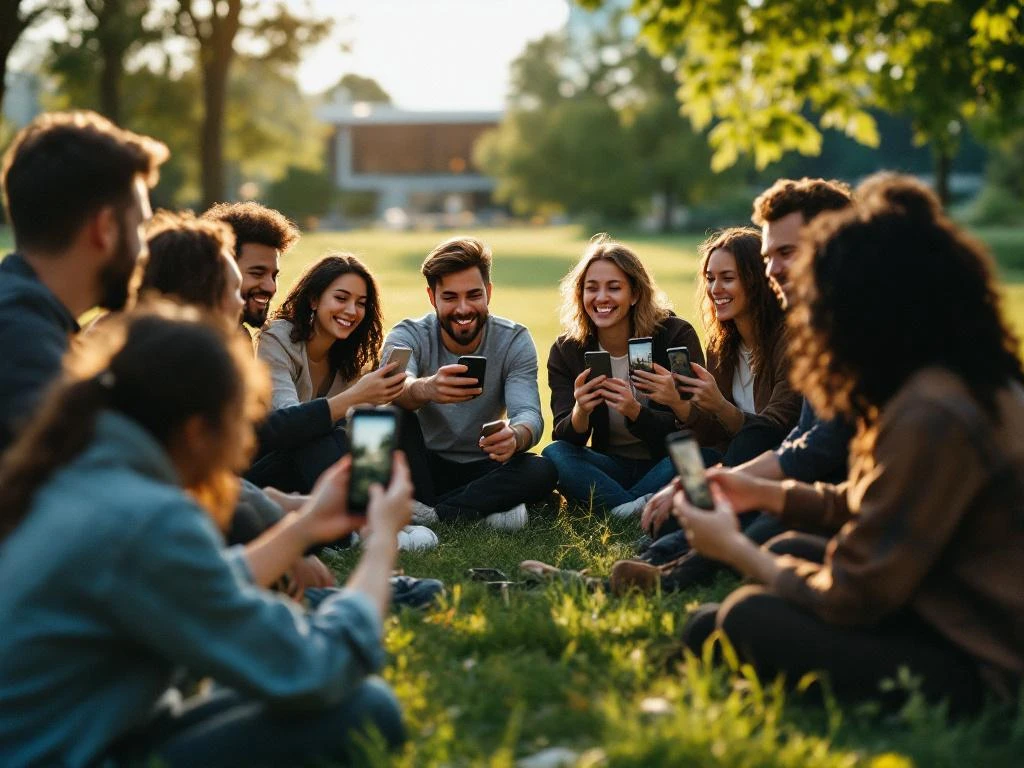
Photo challenge team building activities combine photography with interactive competitions where teams work together to complete creative assignments. These fun team building exercises involve groups taking themed photographs, solving visual puzzles, or creating storytelling sequences through images. Teams collaborate to interpret challenges, plan shots, and capture moments that meet specific criteria, naturally fostering communication and creative problem-solving while building stronger workplace relationships.
What is a photo challenge team building activity and how does it engage teams?
A photo challenge team building activity is an interactive group exercise where teams compete to complete photography-based tasks within a set timeframe. These activities typically involve scavenger hunts, creative challenges, or storytelling through images that require participants to work together, communicate effectively, and think creatively to achieve their objectives.
The format can vary from location-based hunts around a city center to indoor creative challenges at corporate venues. Common variations include themed photo scavenger hunts where teams must find and photograph specific items or locations, creative storytelling challenges where groups create narrative sequences through images, and problem-solving activities that require teams to interpret clues and capture visual solutions.
These activities naturally encourage collaboration because successful completion requires team members to divide responsibilities, share ideas, and coordinate efforts. One person might excel at creative composition while another handles logistics or time management. The visual nature of photography also breaks down communication barriers, allowing team members to express ideas differently and discover hidden talents among colleagues.
Photo challenges engage teams by creating shared experiences outside normal work routines. The competitive element adds excitement while the creative aspect encourages participants to think differently and take calculated risks together. Teams must negotiate, compromise, and support each other to succeed, building trust and understanding through shared problem-solving.
How do you organize a successful photo challenge for your team?
Successful photo challenge organization begins with setting clear objectives that align with your team development goals. Define whether you want to improve communication, boost creativity, encourage collaboration, or simply provide an enjoyable shared experience. These objectives will guide your challenge design and help measure success afterwards.
Create engaging challenge lists that balance difficulty levels and ensure inclusivity. Include a mix of easy wins and more complex tasks so all skill levels can contribute meaningfully. Consider challenges like “capture your team’s interpretation of innovation,” “find three examples of excellent customer service,” or “create a story in five photographs.” Provide clear criteria for each challenge to avoid confusion while leaving room for creative interpretation.
Establish practical rules and time limits that create structure without stifling creativity. Typical team building activities work best with a duration of 2–4 hours, allowing enough time for planning, execution, and reflection. Set boundaries for locations, safety requirements, and acceptable photograph content. Consider providing smartphones or cameras if needed, though most participants can use their own devices.
Ensure activities remain accessible by considering physical limitations, comfort levels, and diverse perspectives within your team. Offer alternative ways to participate and avoid challenges that might exclude certain team members. Include indoor and outdoor options, and provide clear instructions in multiple formats to accommodate different learning styles.
What are the main benefits of photo challenge team building activities?
Photo challenge team building activities deliver multiple workplace benefits by improving communication skills through collaborative planning and creative expression. Team members must articulate ideas clearly, listen actively to different perspectives, and negotiate solutions together. The visual element helps people communicate concepts that might be difficult to express verbally, leading to better understanding between colleagues.
These activities significantly boost creativity and innovation by encouraging participants to see familiar environments with fresh eyes. Teams must interpret challenges creatively, find unique angles, and develop original solutions under time pressure. This creative thinking often transfers back to workplace problem-solving, helping teams approach business challenges with renewed perspective and flexibility.
Stronger interpersonal relationships develop naturally as team members work together in relaxed, non-work settings. Colleagues discover shared interests, hidden talents, and different personality aspects that might not emerge in typical office interactions. The shared experience of overcoming challenges and celebrating successes creates positive memories and stronger bonds between team members.
Problem-solving abilities improve as teams navigate time constraints, resource limitations, and creative requirements simultaneously. Participants learn to prioritize tasks, delegate responsibilities, and adapt quickly when initial plans do not work. These skills directly translate to workplace scenarios where teams must collaborate under pressure and find innovative solutions to complex problems.
Photo challenges also reveal individual strengths and diverse perspectives within teams. Some members excel at creative vision while others demonstrate strong organizational skills or technical knowledge. This awareness helps teams leverage individual strengths more effectively in future workplace collaborations and appreciate the unique contributions each person brings to group efforts.
What types of photo challenges work best for different team goals?
Problem-solving photo challenges work exceptionally well for analytical teams seeking to strengthen logical thinking and systematic approaches. These might include visual puzzles where teams must photograph sequences that tell a story, find items that represent abstract concepts like “efficiency” or “quality,” or create images that solve riddles or mathematical problems presented through visual clues.
Creative storytelling challenges suit teams focused on innovation and communication goals. These activities require groups to develop narrative arcs through photography, create visual presentations of company values, or interpret abstract concepts through artistic composition. Such challenges encourage out-of-the-box thinking and help team members express ideas in non-traditional ways.
Location-based scavenger hunts excel at building collaboration and local knowledge simultaneously. Teams might explore their city center, office building, or conference venue while completing photography tasks. These challenges work particularly well for remote teams meeting in person or groups wanting to strengthen connections to their work environment and surrounding community.
Themed challenges aligned with company values or current project objectives create meaningful connections between team building activities and workplace goals. For example, teams working on customer service improvements might photograph examples of excellent service, while groups focused on sustainability could capture environmentally friendly practices around their location.
Skill-based challenges allow teams to leverage and develop specific competencies while building relationships. Technical teams might enjoy challenges involving geometric patterns or architectural photography, while creative departments could focus on artistic composition and visual storytelling. Marketing teams often excel at challenges involving brand recognition or consumer behavior observation through photography.
How Boom For Business helps with photo challenge team building
We specialize in creating dynamic photo challenge experiences that combine our entertainment expertise with strategic team development objectives. Our professional hosts bring energy and humor to every activity, ensuring participants remain engaged while achieving meaningful team building outcomes through expertly facilitated challenges.
Our approach includes:
- Custom challenge design tailored to your team’s specific goals and Amsterdam locations
- Professional facilitation that keeps energy high and ensures inclusive participation
- Integration with broader team development programs for sustained impact
- Expert debriefing sessions that help teams apply insights to workplace collaboration
- Flexible formats suitable for different group sizes and time constraints
Drawing from over 30 years of experience with international brands, we understand how to balance entertainment with professional development. Our comedy theatre background enhances engagement through business-friendly humor that helps teams connect naturally while working towards shared objectives.
Whether your team prefers exploring Amsterdam’s vibrant streets or competing in structured indoor challenges, we create memorable experiences that strengthen relationships and improve workplace dynamics. Our team building activities combine proven entertainment excellence with strategic corporate objectives to deliver impactful results that teams remember long after the cameras are put away.
Frequently Asked Questions
What equipment do we need for a photo challenge team building activity?
Most photo challenges can be completed using smartphones, which virtually all participants already carry. However, you may want to provide backup devices or portable chargers for longer activities. Consider bringing props, printed challenge cards, clipboards for note-taking, and a first aid kit for outdoor activities. Professional cameras aren't necessary unless specifically required for your challenge objectives.
How do you handle team members who are uncomfortable being photographed?
Establish clear consent guidelines before starting and offer alternative participation roles for camera-shy individuals. They can serve as creative directors, timekeepers, or challenge coordinators while still contributing meaningfully to their team's success. Focus challenges on photographing objects, locations, or concepts rather than people, and always respect personal boundaries regarding image sharing.
What's the ideal team size for photo challenge activities?
Teams of 4-6 people work best for photo challenges, providing enough diverse perspectives without becoming unwieldy to coordinate. Smaller teams (2-3 people) may struggle with complex challenges, while larger groups (7+ people) often split into subgroups naturally. If you have a large group, consider creating multiple teams and turning it into a friendly competition with shared debriefing afterward.
How do you judge and score photo challenge submissions fairly?
Establish clear scoring criteria before the activity begins, focusing on creativity, teamwork demonstration, challenge completion, and adherence to requirements rather than technical photography skills. Consider using peer voting for subjective categories and having multiple judges to reduce bias. Award points for different aspects like 'most creative interpretation' or 'best teamwork story' to ensure all teams can succeed in some category.
Can photo challenges work effectively for remote or hybrid teams?
Yes, photo challenges can be adapted for remote teams using virtual platforms and individual locations. Participants can complete challenges from their home offices, neighborhoods, or local areas, then share and discuss results via video conference. Hybrid teams can have in-person and remote participants collaborate on different aspects of the same challenge, fostering inclusion across all team members.
What safety considerations should we keep in mind for outdoor photo challenges?
Establish clear boundaries for acceptable locations and activities, provide emergency contact information, and ensure teams stay together. Brief participants on local traffic rules, weather considerations, and any restricted areas. Consider liability insurance for corporate activities and have a safety coordinator who can be reached throughout the challenge. Always prioritize participant safety over challenge completion.
How do you measure the long-term impact of photo challenge team building activities?
Conduct follow-up surveys 2-4 weeks after the activity to assess lasting changes in team communication, collaboration, and workplace relationships. Look for increased cross-departmental interaction, more creative problem-solving approaches in meetings, and improved team morale. Create shared digital albums or displays of challenge photos to maintain positive memories and continue conversations about the experience.
Related Articles
- How do you plan team building activities for medium-sized companies?
- When is a teambuilding workshop the wrong solution for a people problem?
- 11 presentation habits every professional needs to develop this year
- How do you design team building for maximum participation?
- 11 public speaking workshop activities that reduce stage fright permanently