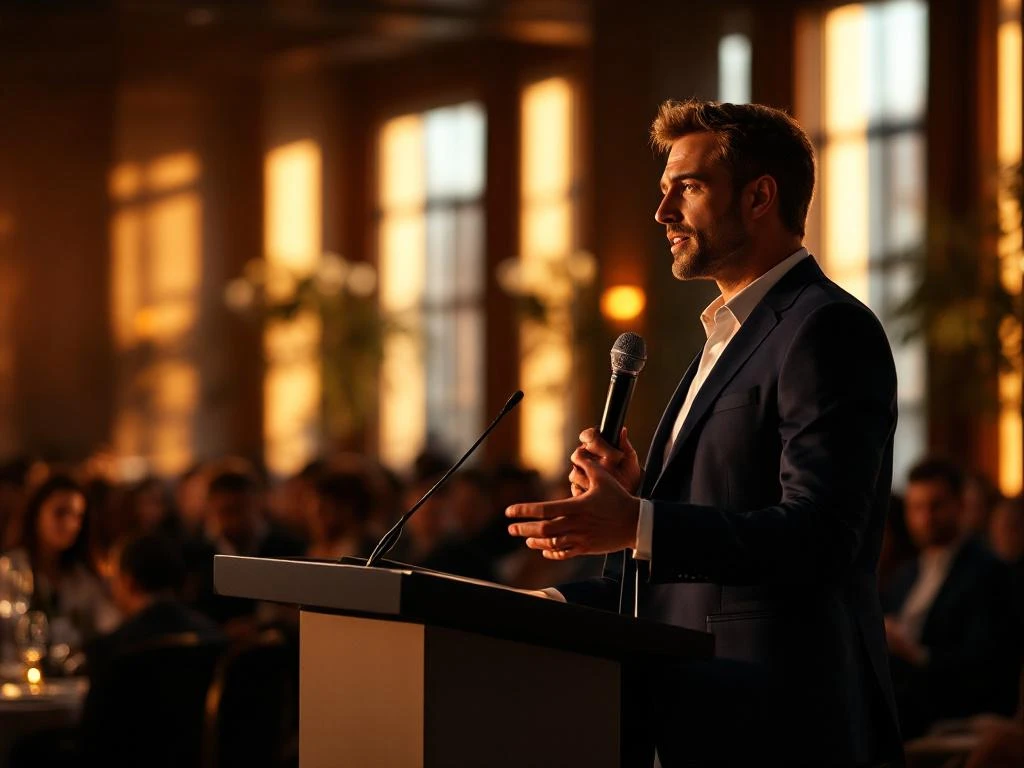
A successful corporate event host needs strong communication abilities, technical knowledge, and interpersonal skills to manage diverse audiences and unexpected situations. Essential competencies include public speaking confidence, crisis management abilities, AV equipment familiarity, industry research skills, and emotional intelligence. These skills ensure smooth event flow while maintaining professional engagement throughout any corporate gathering.
What core communication skills does a corporate event host need?
A corporate event host requires exceptional verbal and non-verbal communication abilities, including confident public speaking, active listening techniques, clear articulation, and adaptability to different audience types. These foundational skills enable effective audience engagement and professional message delivery across diverse corporate environments.
Public speaking confidence forms the backbone of successful event hosting. This involves projecting your voice clearly, maintaining steady pacing, and speaking with authority while remaining approachable. Effective hosts develop the ability to address small boardroom meetings and large conference audiences with equal comfort and professionalism.
Active listening is equally important for reading audience reactions and adjusting your approach accordingly. This skill helps you gauge engagement levels, identify when clarification is needed, and respond appropriately to questions or comments. Strong listening abilities also enable better interaction with speakers, panelists, and event organizers throughout the program.
Clear articulation ensures your message reaches every audience member effectively. This includes proper pronunciation, appropriate volume control, and strategic pausing for emphasis. Adaptability allows hosts to modify their communication style based on corporate culture, audience demographics, and levels of event formality.
How does a professional event host manage unexpected situations?
Professional event hosts manage unexpected situations through crisis management skills, improvisation techniques, and composed problem-solving approaches. They remain calm during technical difficulties, schedule changes, or audience disruptions by having backup plans and flexible communication strategies ready for immediate implementation.
Crisis management begins with thorough preparation and contingency planning. Experienced hosts anticipate potential issues such as microphone failures, speaker delays, or venue problems. They prepare alternative activities, backup technical solutions, and flexible timing adjustments that can be implemented without disrupting the overall event flow.
Improvisation techniques help hosts fill unexpected gaps or address unplanned situations smoothly. This might involve engaging the audience with relevant questions, sharing appropriate anecdotes, or facilitating networking opportunities when technical issues arise. The key is maintaining event momentum while solutions are implemented behind the scenes.
Maintaining composure under pressure reassures both audiences and event organizers that the situation remains under control. Professional hosts communicate transparently about delays or changes while projecting confidence that the event will continue successfully. This calm presence helps prevent audience anxiety and maintains the professional atmosphere essential for corporate gatherings.
What technical knowledge should corporate event hosts possess?
Corporate event hosts need essential technical competencies, including AV equipment familiarity, presentation software proficiency, and microphone techniques. They should understand lighting considerations and basic troubleshooting capabilities to address common technical challenges that arise during corporate events and presentations.
AV equipment familiarity enables hosts to work effectively with sound systems, projectors, screens, and recording devices. This knowledge helps them coordinate with technical teams, understand equipment limitations, and communicate clearly about technical requirements. Basic troubleshooting skills allow for quick resolution of simple issues without lengthy delays.
Presentation software proficiency ensures smooth transitions between speakers and content segments. Hosts should understand common platforms such as PowerPoint, Keynote, and web-based presentation tools. This knowledge helps them assist speakers with technical difficulties and maintain seamless content flow throughout the event.
Microphone techniques significantly impact audio quality and audience experience. Professional hosts understand proper microphone positioning, volume adjustment, and how to avoid feedback issues. They know when to use handheld, lapel, or headset microphones based on event requirements and speaking situations.
Lighting awareness helps hosts position themselves effectively on stage and understand how lighting affects audience visibility and camera recording. Basic knowledge of stage lighting, natural light considerations, and how lighting impacts presentation visibility ensures optimal visual presentation throughout the event.
How important are industry knowledge and research skills for event hosts?
Industry knowledge and research skills are crucial for creating relevant and engaging corporate experiences. Event hosts must understand corporate contexts, industry-specific terminology, and company culture to deliver appropriate content and facilitate meaningful connections between speakers and audiences.
Understanding corporate contexts allows hosts to tailor their approach to specific business environments and objectives. This includes recognizing the difference between formal board presentations, team-building events, product launches, and training sessions. Each context requires different energy levels, interaction styles, and communication approaches.
Knowledge of industry-specific terminology enables hosts to communicate naturally with specialized audiences. Whether hosting technology conferences, healthcare symposiums, or financial services events, understanding relevant vocabulary and concepts helps build credibility and ensures smooth communication with both speakers and attendees.
Awareness of company culture helps hosts align their presentation style with organizational values and expectations. This involves researching the company’s communication style, hierarchy, and cultural norms before the event. Understanding these factors enables hosts to create an appropriate atmosphere and engagement level.
Pre-event research methods include studying speaker backgrounds, reviewing presentation materials, understanding audience demographics, and familiarizing yourself with event objectives. Thorough preparation enables hosts to ask relevant questions, facilitate meaningful discussions, and create connections that enhance the overall value of the event for all participants.
What interpersonal skills help event hosts connect with diverse audiences?
Effective event hosts develop emotional intelligence, cultural sensitivity, and networking abilities to connect with diverse audiences. They master appropriate use of humor and techniques for reading room dynamics, allowing them to adjust their hosting style according to audience needs and cultural contexts.
Emotional intelligence enables hosts to recognize and respond to audience emotions, energy levels, and engagement patterns. This skill helps identify when audiences need energizing, when they require breaks, and how to adjust interaction styles based on group dynamics. Understanding emotional cues improves audience satisfaction and event effectiveness.
Cultural sensitivity is essential when hosting international corporate events or diverse workplace gatherings. This involves understanding different communication styles, expectations around hierarchy, and cultural norms that affect audience participation. Sensitive hosts create inclusive environments where all participants feel comfortable engaging.
Networking abilities help hosts facilitate meaningful connections between attendees, speakers, and organizers. This includes introducing people with common interests, encouraging productive discussions, and creating opportunities for professional relationship-building throughout the event.
Appropriate use of humor requires understanding when, how, and what type of humor enhances rather than detracts from corporate objectives. Professional hosts use business-friendly humor that builds rapport without offending or diminishing the event’s credibility. The key is reading audience reactions and adjusting accordingly.
Reading room dynamics involves observing audience body language, participation levels, and overall engagement to adjust hosting approaches in real time. This skill helps hosts modify their energy, interaction style, and content delivery to maintain optimal audience involvement throughout the event.
How Boom for Business helps with professional event hosting
We provide comprehensive event hosting solutions that combine professional expertise with business-friendly humor, ensuring your corporate events achieve maximum impact while maintaining audience engagement throughout.
Our experienced event hosts possess all the essential skills outlined above, bringing over 30 years of expertise from our internationally acclaimed comedy theater background. This unique combination enables us to deliver:
- Professional hosts with exceptional communication abilities and crisis management skills
- Technical proficiency across all major AV equipment and presentation platforms
- Industry knowledge spanning multiple corporate sectors and cultural contexts
- Improvisation expertise that transforms unexpected situations into engaging moments
- Business-appropriate humor that enhances rather than distracts from your objectives
Whether you’re planning conferences, award ceremonies, panels, or hybrid events, our professional hosts create memorable experiences that resonate with your audience while achieving your corporate communication goals.
Ready to elevate your next corporate event with professional hosting that combines expertise with engaging presentation? Contact us today to discuss how our experienced event hosts can transform your upcoming corporate gathering into an impactful, memorable experience.
Frequently Asked Questions
How far in advance should I book a professional event host?
We recommend booking your professional event host 4-6 weeks in advance for standard corporate events, and 8-12 weeks for large conferences or specialized industry events. This timeline allows adequate preparation time for industry research, speaker coordination, and technical rehearsals to ensure optimal event execution.
What happens if our scheduled speaker cancels at the last minute?
Professional event hosts are trained to handle speaker cancellations seamlessly through improvisation techniques and backup content strategies. We can facilitate extended Q&A sessions, lead interactive discussions with the audience, or coordinate with remaining speakers to adjust their presentations and fill the time gap professionally.
Can event hosts work effectively with virtual or hybrid event formats?
Yes, experienced event hosts adapt their skills to virtual and hybrid formats by mastering online presentation platforms, managing digital audience engagement techniques, and coordinating between in-person and remote participants. This includes managing chat functions, breakout rooms, and ensuring all attendees feel equally included regardless of their participation method.
How do you customize your hosting style for different corporate cultures?
We conduct thorough pre-event research including consultation calls with organizers, review of company materials, and understanding of organizational hierarchy and communication preferences. This preparation allows us to adjust our energy level, interaction style, humor appropriateness, and formality to match your specific corporate environment and audience expectations.
What's the difference between hiring a professional event host versus using an internal employee?
Professional event hosts bring specialized training in crisis management, technical expertise, and audience engagement techniques that internal employees typically lack. They also provide objective facilitation without internal politics, allowing company employees to focus on networking and content rather than event logistics and timing management.
How do you handle technical difficulties during live events?
Professional hosts maintain calm composure while implementing backup solutions, such as using handheld microphones when wireless systems fail, engaging audiences with relevant discussions during AV troubleshooting, or seamlessly transitioning to alternative presentation methods. We always coordinate with technical teams while keeping audiences informed and engaged throughout any resolution process.
What information do you need from us before the event to ensure success?
We require event objectives, detailed agenda with speaker information, audience demographics and size, technical requirements, venue layout, company culture guidelines, and any specific messaging priorities. Additionally, we need contact information for key stakeholders, backup plans for potential issues, and access to presentation materials for smooth transitions between segments.
Related Articles
- 11 presentation habits every professional needs to develop this year
- What preparation does an event host need before your event?
- How do improvisation skills transfer to workplace communication?
- What are interactive team building workshops?
- 7 ways to inspire your team at work when energy and morale are low